Dai Blocchi al Testo: Scratch a Python per 9-12 anni
Tuo figlio ha già costruito qualcosa in Scratch. Questo è lo stesso programma, scritto riga per riga in Python — lo stesso salto, la stessa domanda, lo stesso messaggio di benvenuto, senza una tavolozza da cui scegliere i blocchi. Dodici lezioni in quattro sessioni, scritte per il bambino di nove-dodici anni davanti alla tastiera, con quattro pagine per l'adulto al loro fianco.
- trending_upBeginner
- schedule5h 6m
- menu_book12 lezioni
- publicEnglish
- workspace_premiumBasic
Briefing
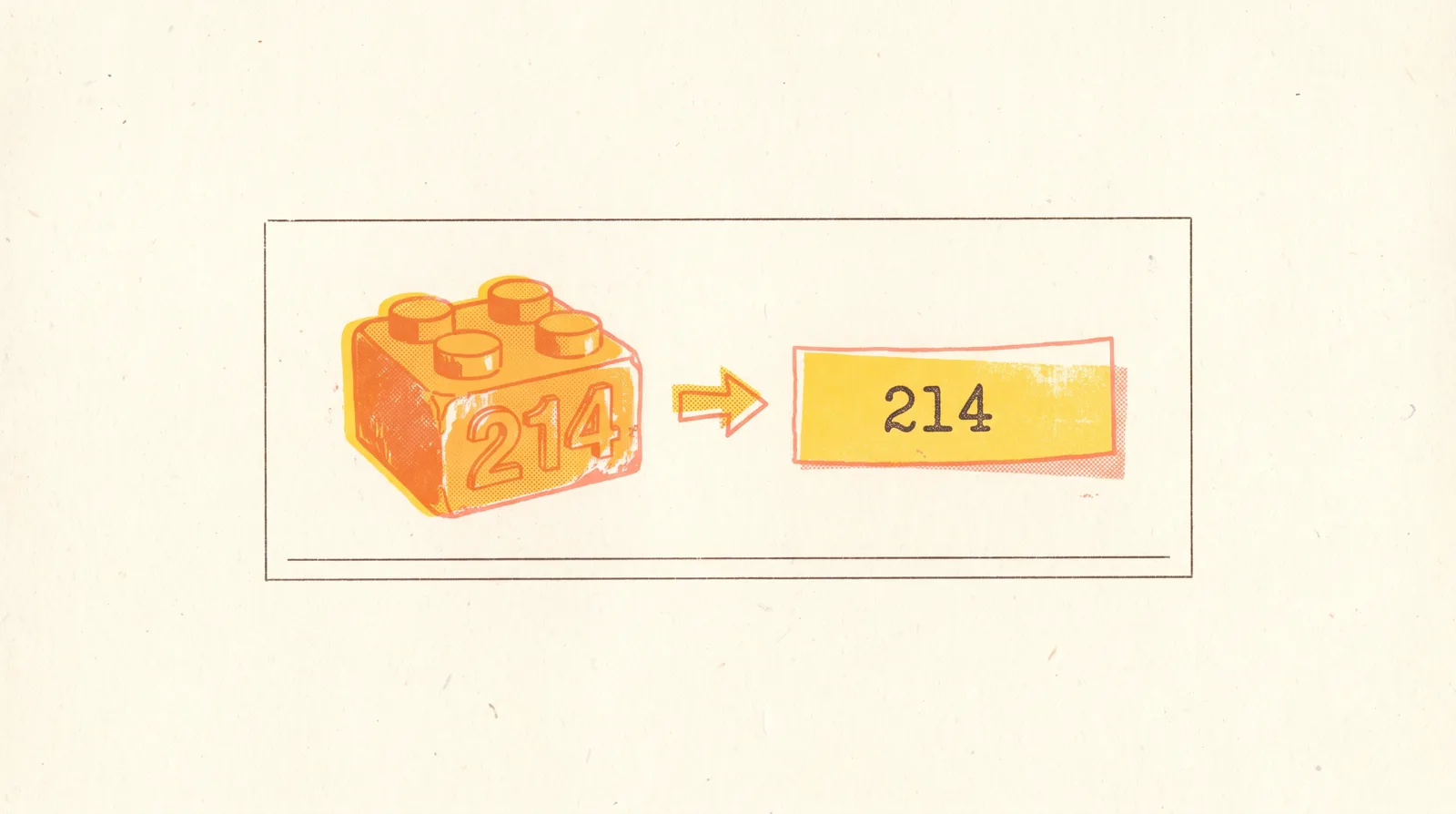
Qui non viene insegnato nulla di nuovo. Questo è il punto. Un bambino che ha completato un progetto in Scratch ha già compreso gli eventi, i cicli, l'input e l'output. Li ha semplicemente incontrati come forme colorate che si incastrano insieme. Questo modulo prende un progetto che hanno costruito loro stessi e lo ricostruisce in Python, blocco per blocco, così che ogni idea di Python arriva già compresa e solo il modo in cui è scritta è nuovo. Quando cliccato diventa l'esecuzione del file. Dì diventa print. Chiedi e attendi diventa input. Ripeti diventa un ciclo for. Se rimane if. Non c'è niente altro da imparare per fare il passaggio. Ciò che bisogna imparare è ciò che la tavolozza faceva per te. Scratch non ti ha mai lasciato scrivere male un blocco, non ti ha mai fatto dimenticare i due punti, non ti ha mai lasciato usare il tipo di virgolette sbagliato, e ha disegnato la parentesi del ciclo intorno ai tuoi blocchi in arancione solido così potevi vederla. Python non fa nulla di questo. Un intero modulo parla di queste quattro cose e nient'altro, e ognuna viene affrontata digitandola sbagliata per primo e leggendo ciò che il computer dice in risposta. L'ultimo modulo copre i blocchi rimasti, e poi si ferma. Questo modulo è un ponte, non un corso di Python. Finisce passando il bambino a Python From a White Sheet, modulo due, che è dove Python vero e proprio inizia.
Programma del corso · 4 moduli
lockSblocca con l'accesso- 01 Lo Stesso Programma, Due Volte3 lezioni·1h 14m
Non iniziare spiegando Python. Inizia mettendo il proprio script Scratch del bambino a sinistra dello schermo e le sue righe digitate a destra. L'intero modulo è l'affermazione che questi sono lo…
- 02 Quattro Cose Che Ora Sono Un Tuo Problema3 lezioni·1h 19m
Ogni errore in questo modulo era invisibile in Scratch perché la palette lo impediva. Dillo ad alta voce una volta. Poi lascia che tutti e quattro si scatenino. Ci sarà più testo rosso in questa…
- 03 Ricostruiscilo3 lezioni·1h 21m
Nel Modulo 1 hai fatto una traduzione con la risposta visibile. Questo è lo stesso programma da zero. Aspettati che ci voglia più tempo di quanto pensi e che la prima esecuzione fallisca. Il modulo…
- 04 I Blocchi Che Non Hai Ancora Attraversato3 lezioni·1h 12m
Questo modulo termina il segmento deliberatamente in anticipo. Tutto quello che viene dopo appartiene a Python From a White Sheet. L'ultima lezione è per l'adulto ed è su come smettono di essere…
Domande frequenti
- Cosa imparerò in Dai Blocchi al Testo: Scratch a Python per 9-12 anni?
- Tuo figlio ha già costruito qualcosa in Scratch. Questo è lo stesso programma, scritto riga per riga in Python — lo stesso salto, la stessa domanda, lo stesso messaggio di benvenuto, senza una tavolozza da cui scegliere i blocchi. Dodici lezioni in quattro sessioni, scritte per il bambino di nove-do
- Ho bisogno di esperienza precedente?
- No — Dai Blocchi al Testo: Scratch a Python per 9-12 anni parte dalle basi ed è adatto ai principianti.
- Quanto tempo richiede Dai Blocchi al Testo: Scratch a Python per 9-12 anni?
- Dai Blocchi al Testo: Scratch a Python per 9-12 anni include 4 moduli e 12 lezioni. Impari al tuo ritmo.
- Come accedo?
- Dai Blocchi al Testo: Scratch a Python per 9-12 anni è incluso in qualsiasi abbonamento a pagamento.
Altro in Programming