code programming

從積木到文字:Scratch 進階到 Python(9 到 12 歲)

你的孩子已經在 Scratch 中做過東西。這是同一個程式,逐行用 Python 打出來——同樣的跳躍、同樣的問題、同樣的問候,但沒有調色盤可以選積木。十二堂課分四個單元,為坐在鍵盤前的九到十二歲孩子而寫,另有四頁給在旁邊的大人。

  • trending_upBeginner
  • schedule5h 6m
  • menu_book12 堂課程
  • publicEnglish
  • workspace_premiumBasic
從積木到文字:Scratch 進階到 Python(9 到 12 歲)

課程簡介

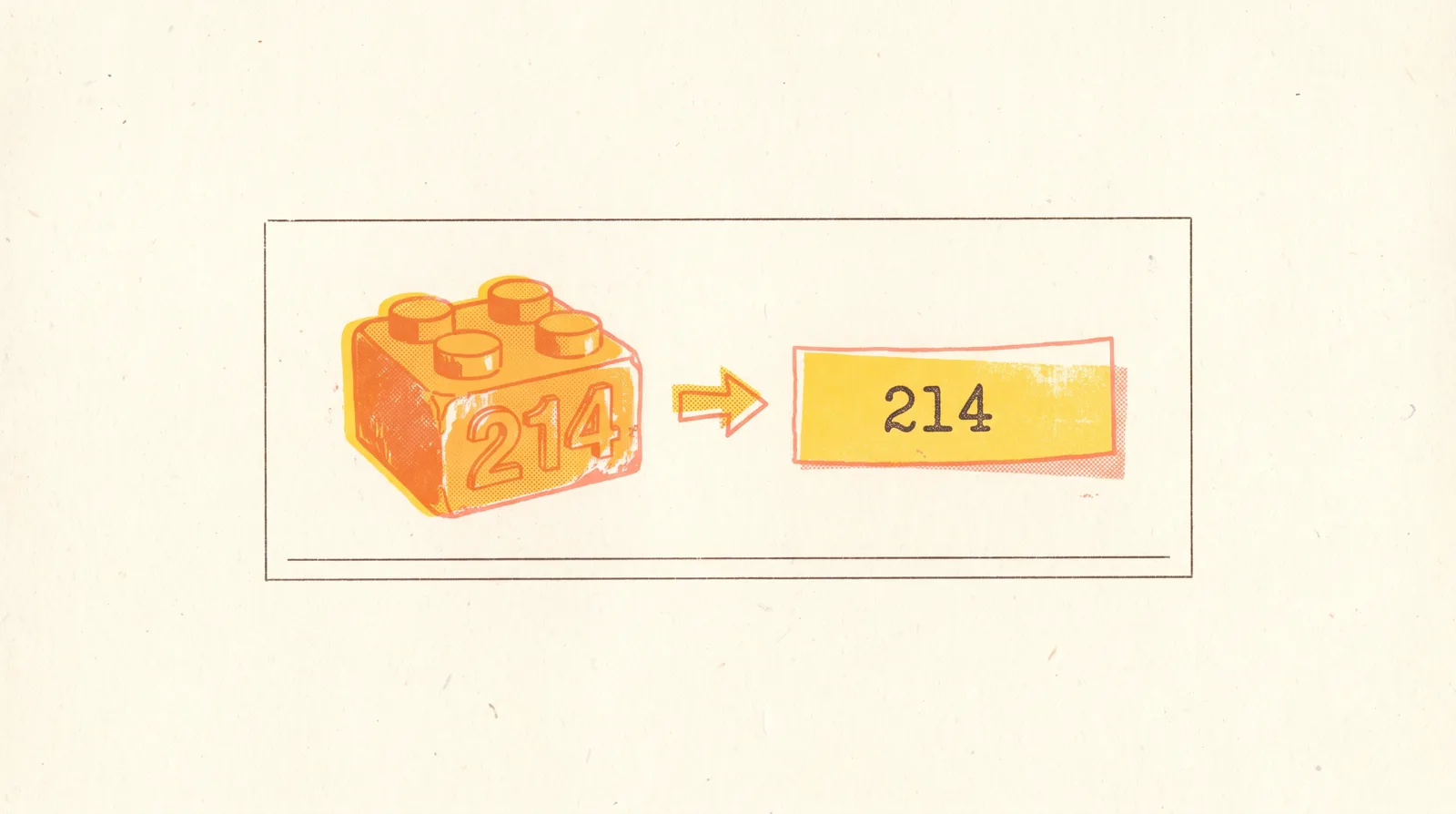
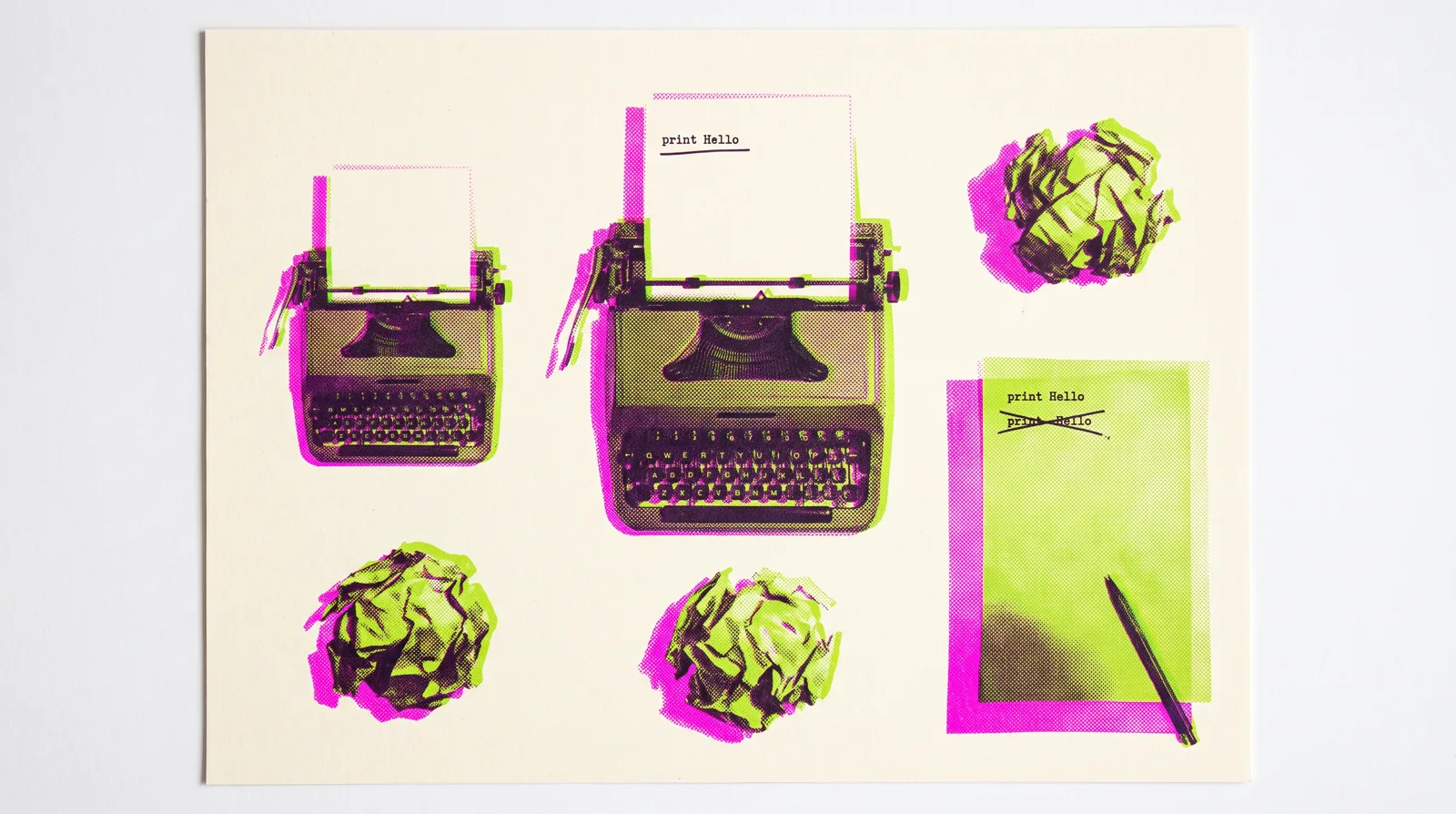
這裡沒有教任何新東西。這就是重點。 完成過 Scratch 專案的孩子已經理解事件、迴圈、輸入和輸出。他們只是以彩色積木的形式遇過這些概念,積木會卡在一起。這個單元拿他們自己做過的一個專案,用 Python 重新做一次,一個積木一個積木,所以每個 Python 概念都已經被理解,只有寫法是新的。 被點擊變成執行檔案。Say 變成 print。Ask and wait 變成 input。Repeat 變成 for 迴圈。If 還是 if。要跨越這道橋不需要學別的。 需要學的是調色盤之前為你做的事。Scratch 不會讓你拼錯積木、不會讓你漏掉冒號、不會讓你用錯引號,還會用亮橙色把迴圈的括號畫在你的積木周圍,讓你看得清楚。Python 什麼都不會。整個單元專門講這四件事,沒別的,每一件都要先打錯,再讀電腦說什麼。 最後一個單元跨越剩下的積木,然後停止。這個單元是座橋,不是 Python 課程。它終止於交接給 Python From a White Sheet 第二單元,那才是 Python 真正開始的地方。

課程大綱 · 4 個單元

lock隨存取權限解鎖
  1. 01 同一個程式,兩次
    3 堂課程·1h 14m

    不要從解釋 Python 開始。從在螢幕左側放置孩子自己的 Scratch 腳本,右側放置其程式行開始。整個模組主張這些是同一個程式,證明方法就是執行兩者。

  2. 02 四個現在成為你的問題
    3 堂課程·1h 19m

    這個單元中的每個失敗在 Scratch 裡都是看不見的,因為調色盤防止了它。大聲說一次。然後讓這四個都觸發。這堂課會有比這段其他部分更多的紅色文字,那是設計用的。

  3. 03 重新建構它
    3 堂課程·1h 21m

    模組 1 是有解答可見的翻譯。這是從零開始的同一個程式。預期會花費比你想像還要長的時間,也預期首次執行會失敗。模組以孩子展示給某人的部分結束,那才是重要的部分。

  4. 04 你還沒跨越的區塊
    3 堂課程·1h 12m

    此模組刻意提前結束該段落。之後的所有內容都屬於 Python From a White Sheet。最後一課是給成人的,講述他們如何不再被需要。

常見問題

我將在 從積木到文字:Scratch 進階到 Python(9 到 12 歲) 中學到什麼?
你的孩子已經在 Scratch 中做過東西。這是同一個程式,逐行用 Python 打出來——同樣的跳躍、同樣的問題、同樣的問候,但沒有調色盤可以選積木。十二堂課分四個單元,為坐在鍵盤前的九到十二歲孩子而寫,另有四頁給在旁邊的大人。
我需要事先具備經驗嗎?
不需要——從積木到文字:Scratch 進階到 Python(9 到 12 歲) 從基礎開始,適合初學者。
從積木到文字:Scratch 進階到 Python(9 到 12 歲) 需要多長時間?
從積木到文字:Scratch 進階到 Python(9 到 12 歲) 包含 4 個單元和 12 堂課程。你可以按自己的進度學習。
我如何取得存取權限?
從積木到文字:Scratch 進階到 Python(9 到 12 歲) 包含在任何付費訂閱方案中。

程式設計 中的更多內容
Binary, Hex and Data Units
Beginner Binary, Hex and Data Units The topic that costs more marks than any other on the paper, taught by hand. Bits and bytes, binary and hex in all six directions, the 1000-versus-1024 trap, file sizes, transmission times, overflow, two's complement and character sets. Every module ends in a timed drill marked the way an examiner marks it.
Python From a White Sheet
Beginner Python From a White Sheet 九位學生已經走過的確切序列,從空白檔案到詢問問題、檢查答案並拒絕不良輸入的程式。無需事前程式設計知識。無需數學。你會故意反覆破壞它。
First Program — Scratch for ages 5–9
Beginner First Program — Scratch for ages 5–9 Nine Scratch blocks, three sessions of about twenty-five minutes, and one small program a child of five to nine builds themselves. Written for the parent sitting beside them: what to click, what they will get stuck on, what to say when it goes wrong, and when to keep your hands off the mouse.
AI Without the Hype
Beginner AI Without the Hype What the model is actually doing when it answers you, why that produces something that looks like thinking, why it invents citations, and the cost mechanic almost nobody explains: a chat resends the entire conversation on every single turn. You will do the arithmetic yourself.
IGCSE and GCSE Computer Science — Theory That Actually Gets Marked
Intermediate IGCSE and GCSE Computer Science — Theory That Actually Gets Marked The theory half of the paper, taught so it survives the exam room. The memory hierarchy and what actually happens at boot. Compilers, interpreters and assemblers, including the answer that sounds right and scores nothing. Databases from a spreadsheet up to keys and normalisation. DNS and the full path between pressing Enter and seeing the page. Systems software, and the ethical and legal section that is the easiest ten marks on the paper.
Programming for the Exam — Python Answers That Score
Intermediate Programming for the Exam — Python Answers That Score The programming half of the paper, taught at exam pitch. Pseudocode translated both ways, because the mark scheme is written in a notation nobody practises. Trace tables done column by column, including the ones with a loop and a condition inside it. Linear and binary search, bubble and insertion sort, what each costs and the comparison questions boards love. Validation against verification, and the boundary test data everybody forgets. Procedures against functions, and a systematic method for finding your own error with four minutes left.