ब्लॉक्स से टेक्स्ट तक: Scratch से Python के लिए 9–12 साल की उम्र
आपका बच्चा पहले ही Scratch में कुछ बना चुका है। यह वही प्रोग्राम है, Python में लाइन दर लाइन टाइप किया गया — वही jump, वही question, वही greeting, बिना किसी palette के जहाँ से blocks चुनने हों। बारह पाठ चार सत्रों में, नौ से बारह साल के बच्चे के लिए लिखे गए जो keyboard पर बैठा है, और उनके साथ बैठे वयस्क के लिए चार पृष्ठ।
- trending_upBeginner
- schedule5h 6m
- menu_book12 पाठ
- publicEnglish
- workspace_premiumBasic
ब्रीफ़िंग
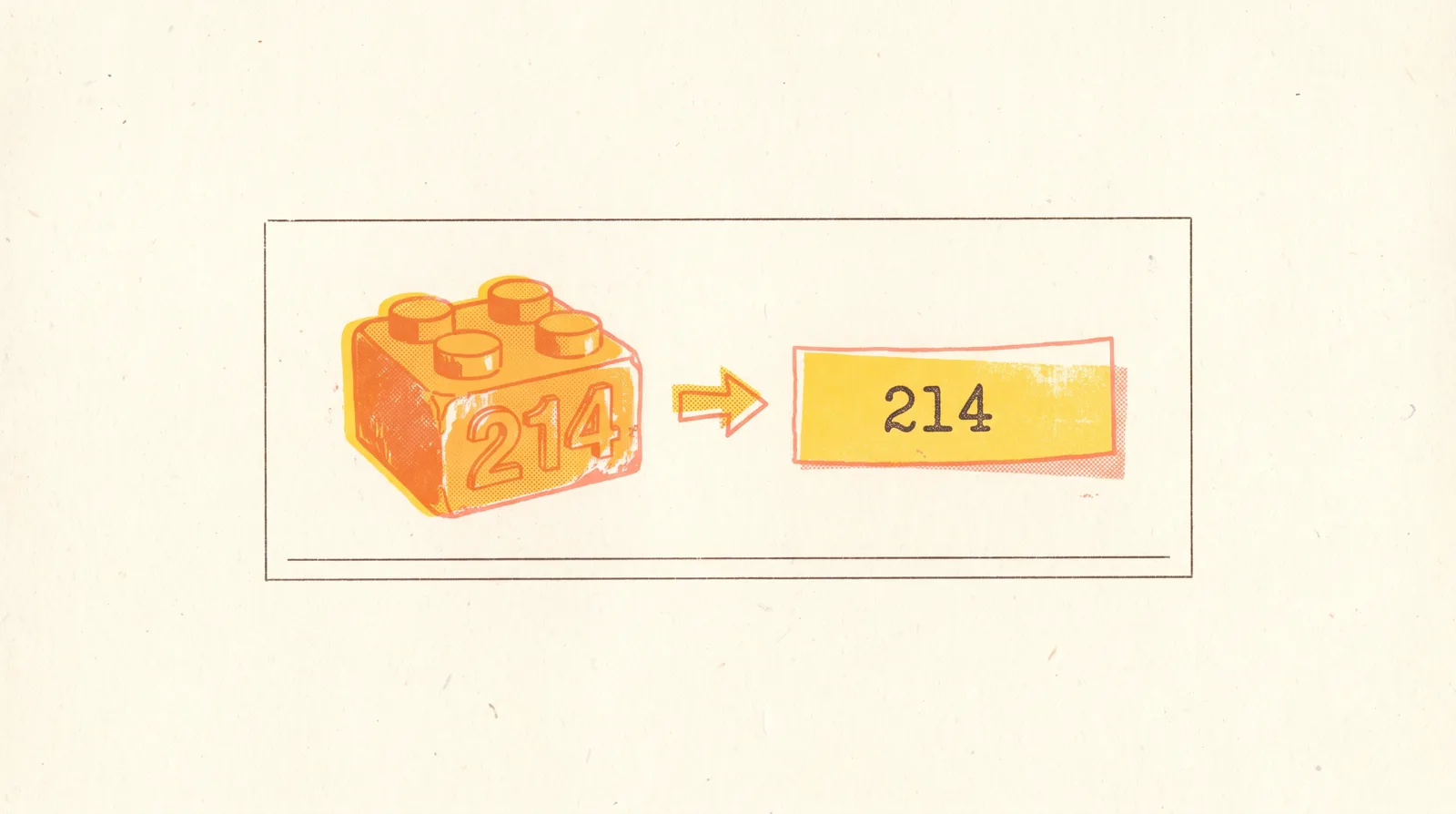
यहाँ कुछ नया सिखाया नहीं जा रहा है। यही तो बात है। जो बच्चा Scratch project खत्म कर चुका है वह पहले से ही events, loops, input और output को समझता है। उसने बस इन चारों को रंगीन आकृतियों के रूप में देखा है जो एक दूसरे से जुड़ते हैं। यह खंड उस एक project को लेता है जो उसने खुद बनाया है और इसे Python में फिर से बनाता है, एक block एक बार, ताकि हर Python idea पहले से ही समझी हुई आए और सिर्फ लिखने का तरीका नया हो। जब clicked होता है तो file को run करना हो जाता है। Say print हो जाता है। Ask और wait input हो जाता है। Repeat एक for loop हो जाता है। If, if ही रहता है। इसके अलावा कुछ भी सीखना नहीं है। जो सीखना है वह यह है कि palette पहले आपके लिए क्या करता था। Scratch कभी आपको block का spelling गलत नहीं होने देता, कभी colon भूलने नहीं देता, कभी गलत तरह का quote mark use नहीं होने देता, और loop के bracket को अपने blocks के चारों ओर ठोस नारंगी रंग में खींचता है ताकि आप इसे देख सकें। Python इनमें से कुछ नहीं करता। एक पूरा module सिर्फ इन चार चीजों के बारे में है और कुछ नहीं, और हर एक से मिलना होता है उसे गलत लिखकर पहले और फिर computer जो कहता है उसे सुनकर। आखिरी module बाकी बचे blocks को cross करता है, और फिर रुक जाता है। यह खंड एक bridge है, Python course नहीं। यह बच्चे को Python From a White Sheet को सौंपकर खत्म होता है, module two, जहाँ Python सही शुरू होता है।
कोर्स रूपरेखा · 4 मॉड्यूल
lockएक्सेस के साथ अनलॉक होता है- 01 एक ही प्रोग्राम, दो बार3 पाठ·1h 14m
Python की व्याख्या करके शुरुआत न करें। बच्चे की अपनी Scratch स्क्रिप्ट को स्क्रीन के बाईं ओर और इसकी टाइप की गई लाइनों को दाईं ओर रखकर शुरुआत करें। पूरा मॉड्यूल इस दावे के बारे में है कि ये एक ही…
- 02 चार चीजें जो अब आपकी समस्या हैं3 पाठ·1h 19m
इस मॉड्यूल में हर विफलता Scratch में अदृश्य थी क्योंकि palette ने इसे रोक दिया था। इसे एक बार ज़ोर से कहें। फिर सभी चारों को चलने दें। इस session में बाकी segment से ज्यादा लाल text होगा, और यह…
- 03 इसे फिर से बनाएं3 पाठ·1h 21m
Module 1 अनुवाद था जिसमें उत्तर दृश्यमान था। यह शून्य से एक ही प्रोग्राम है। इसे आपके विचार से अधिक समय लगने की अपेक्षा करें और पहले चलने में विफल होने की अपेक्षा करें। Module बच्चे द्वारा किसी को…
- 04 वह ब्लॉक जिन्हें आपने अभी तक पार नहीं किया है3 पाठ·1h 12m
यह मॉड्यूल खंड को जानबूझकर जल्दी समाप्त करता है। इसके बाद सब कुछ Python From a White Sheet से संबंधित है। अंतिम पाठ वयस्क के लिए है और यह इस बारे में है कि वे कैसे अनावश्यक होना बंद करते हैं।
अक्सर पूछे जाने वाले
- मैं ब्लॉक्स से टेक्स्ट तक: Scratch से Python के लिए 9–12 साल की उम्र में क्या सीखूँगा?
- आपका बच्चा पहले ही Scratch में कुछ बना चुका है। यह वही प्रोग्राम है, Python में लाइन दर लाइन टाइप किया गया — वही jump, वही question, वही greeting, बिना किसी palette के जहाँ से blocks चुनने हों। बारह पाठ चार सत्रों में, नौ से बारह साल के बच्चे के लिए लिखे गए जो keyboard पर बैठा है, और उनके साथ बैठे व
- क्या मुझे पूर्व अनुभव चाहिए?
- नहीं — ब्लॉक्स से टेक्स्ट तक: Scratch से Python के लिए 9–12 साल की उम्र बुनियादी बातों से शुरू होता है और शुरुआती लोगों के लिए उपयुक्त है।
- ब्लॉक्स से टेक्स्ट तक: Scratch से Python के लिए 9–12 साल की उम्र में कितना समय लगता है?
- ब्लॉक्स से टेक्स्ट तक: Scratch से Python के लिए 9–12 साल की उम्र में 4 मॉड्यूल और 12 पाठ शामिल हैं। आप अपनी गति से सीखते हैं।
- मुझे एक्सेस कैसे मिलता है?
- ब्लॉक्स से टेक्स्ट तक: Scratch से Python के लिए 9–12 साल की उम्र किसी भी सशुल्क सब्सक्रिप्शन के साथ शामिल है।
प्रोग्रामिंग में और