จากบล็อกไปยังข้อความ: Scratch to Python สำหรับอายุ 9–12 ปี
ลูกของคุณสร้างสิ่งของใน Scratch ไปแล้ว นี่คือโปรแกรมเดียวกัน พิมพ์ออกมาทีละบรรทัดใน Python — การกระโดดเดียวกัน คำถามเดียวกัน การทักทายเดียวกัน ไม่มีพาเลตให้เลือกบล็อก บทเรียน 12 บทใน 4 เซสชัน เขียนสำหรับเด็กอายุ 9–12 ปีที่ใช้คีย์บอร์ด และ 4 หน้าสำหรับผู้ใหญ่ที่นั่งข้างๆ
- trending_upBeginner
- schedule5h 6m
- menu_book12 บทเรียน
- publicEnglish
- workspace_premiumBasic
บทสรุป
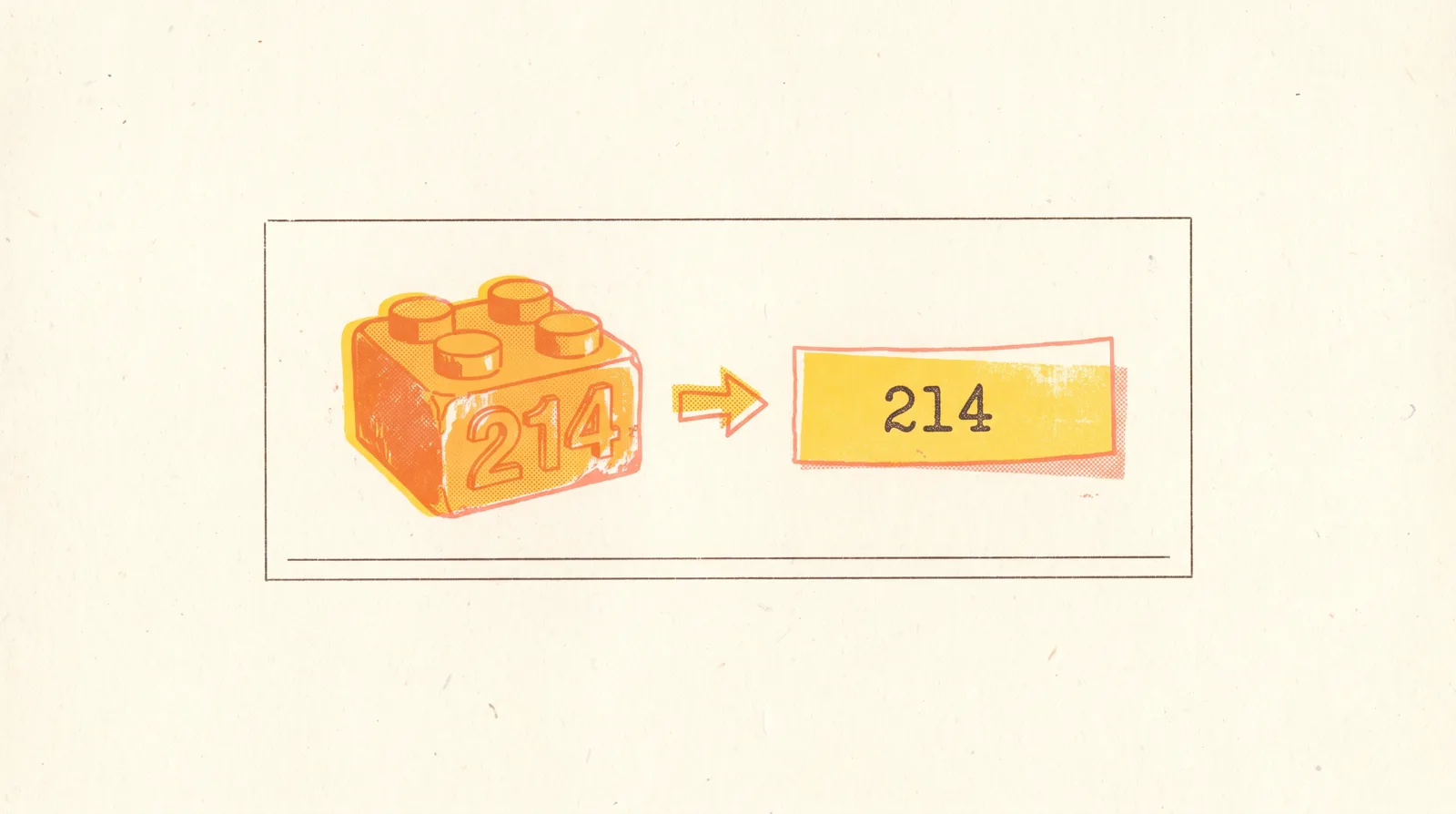
ไม่มีอะไรใหม่ที่สอนที่นี่ นั่นคือประเด็น เด็กที่สำเร็จโปรเจกต์ Scratch ไปแล้วเข้าใจเรื่อง events, loops, input และ output อยู่แล้ว พวกเขาเพิ่งพบสิ่งเหล่านั้นทั้งหมดเป็นรูปร่างสีสันที่เกาะติดกัน ส่วนนี้ใช้โปรเจกต์หนึ่งที่พวกเขาสร้างขึ้นมาเอง และสร้างใหม่ใน Python ทีละบล็อก เพื่อให้ทุกแนวคิด Python มาถึงในสถานะที่เข้าใจแล้ว และเพียงแค่วิธีการเขียนเท่านั้นที่เป็นเรื่องใหม่ เมื่อคลิกกลายเป็นการเรียกใช้ไฟล์ Say กลายเป็น print Ask and wait กลายเป็น input Repeat กลายเป็น for loop If ยังคงเป็น if ไม่มีอะไรอื่นที่ต้องเรียนรู้เพื่อข้ามผ่าน สิ่งที่ต้องเรียนรู้คือสิ่งที่พาเลตเคยทำให้คุณ Scratch ไม่เคยให้คุณสะกดชื่อบล็อกผิด ไม่เคยให้คุณลืมโคลอน ไม่เคยให้คุณใช้เครื่องหมายอัญประลักษ์ชนิดผิด และวาดวงเล็บของลูปรอบบล็อกของคุณด้วยสีส้มเข้มเพื่อให้คุณมองเห็นได้ Python ไม่ทำอะไรแบบนั้น โมดูลหนึ่งทั้งหมดเกี่ยวกับสิ่งสี่อย่างนั้นและไม่มีอะไรอื่น และทุกอย่างต่างก็เจอจากการพิมพ์ผิดก่อนและอ่านสิ่งที่คอมพิวเตอร์พูดกลับมา โมดูลสุดท้ายข้ามบล็อกที่เหลือ และจากนั้นก็หยุด ส่วนนี้เป็นสะพาน ไม่ใช่คอร์ส Python มันสิ้นสุดโดยส่งมอบเด็กให้กับ Python From a White Sheet โมดูลสอง ซึ่งเป็นที่ที่ Python ที่แท้จริงเริ่มต้น
เนื้อหาคอร์ส · 4 โมดูล
lockปลดล็อกด้วยการเข้าถึง- 01 โปรแกรมเดียวกัน สองครั้ง3 บทเรียน·1h 14m
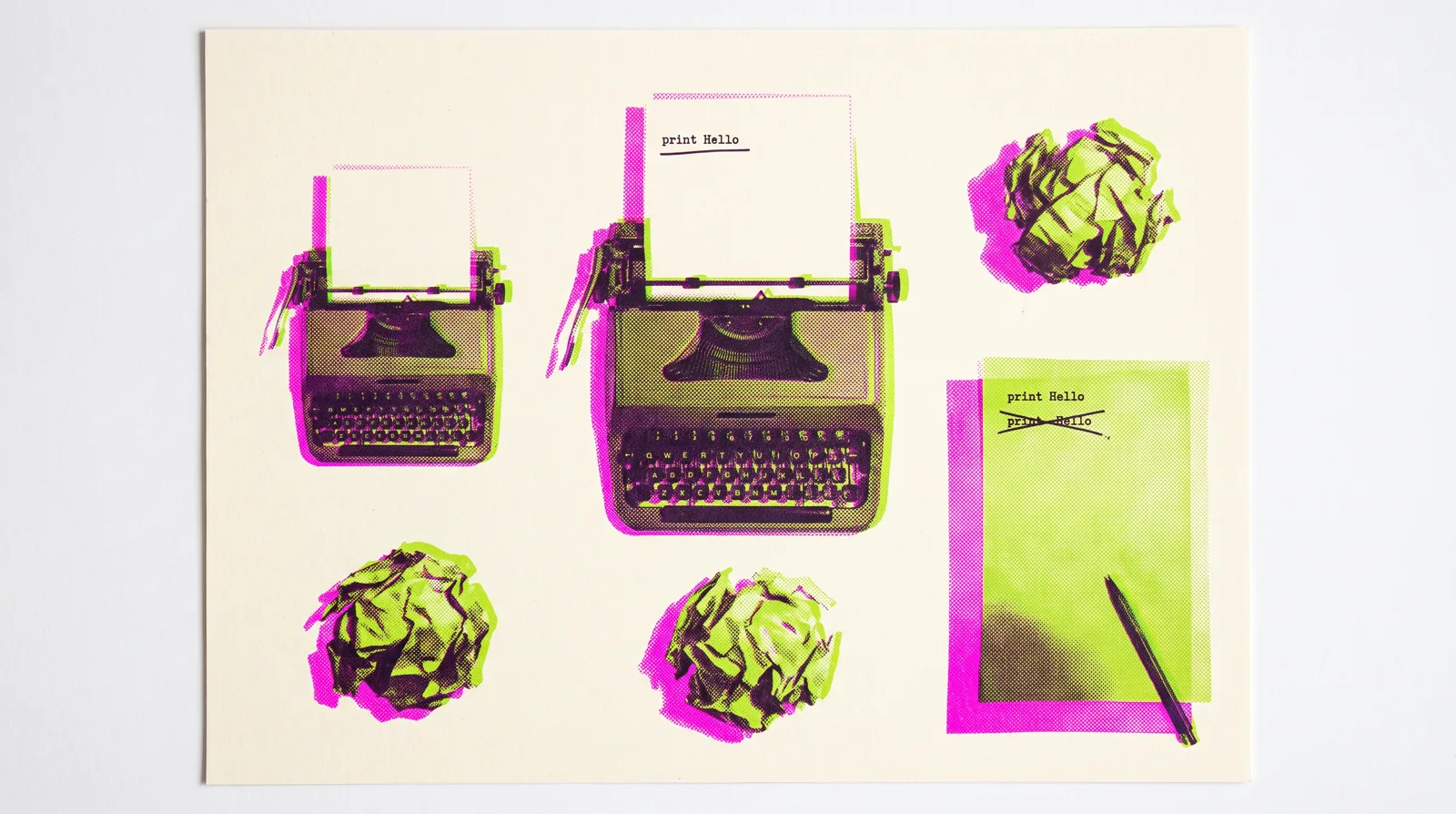
อย่าเริ่มด้วยการอธิบาย Python ให้เริ่มด้วยการวางสคริปต์ Scratch ของเด็กเองไว้ทางด้านซ้ายของหน้าจอ และบรรทัดที่พิมพ์ไปไว้ทางขวา โมดูลทั้งหมดคือการอ้างว่าโปรแกรมเหล่านี้เป็นโปรแกรมเดียวกัน…
- 02 สี่สิ่งที่เป็นปัญหาของคุณตอนนี้3 บทเรียน·1h 19m
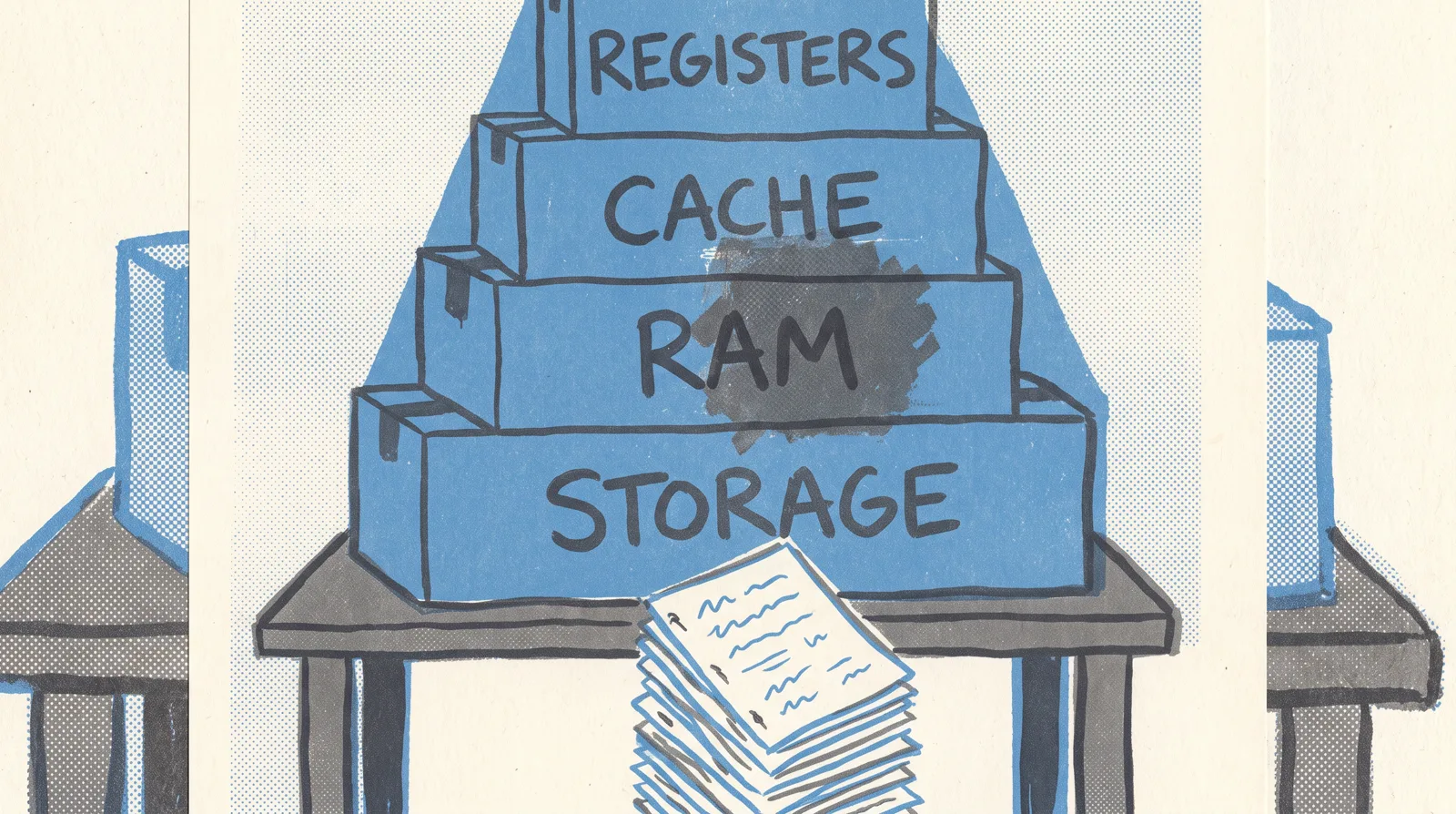
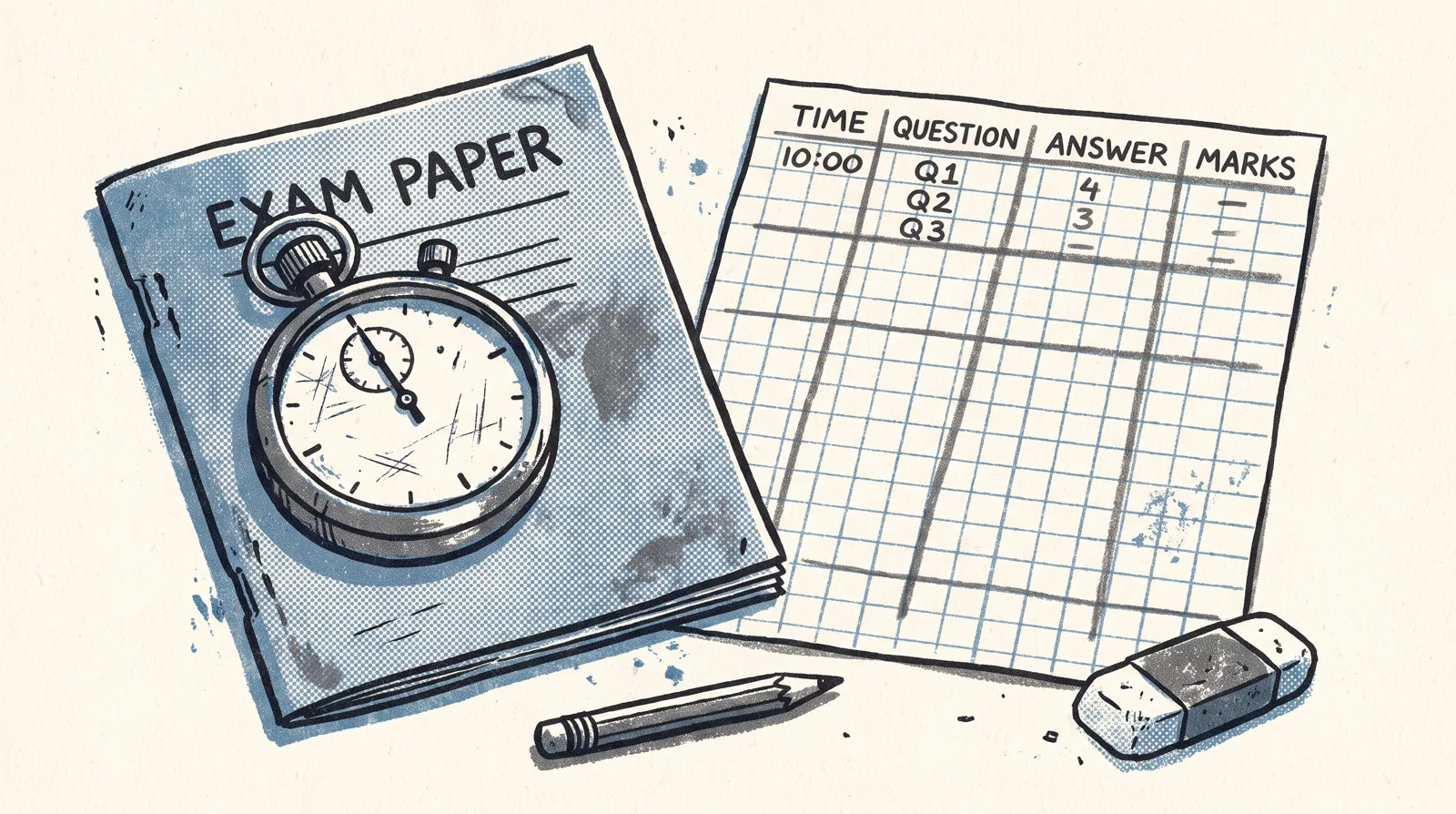
ความล้มเหลวทั้งหมดในโมดูลนี้มองไม่เห็นใน Scratch เพราะพาเลตป้องกันไว้ พูดออกมาครั้งเดียว แล้วปล่อยให้ทั้งสี่ตัวทำงาน จะมีข้อความสีแดงมากกว่าในเซสชั่นนี้เมื่อเทียบกับส่วนที่เหลือ และนั่นคือการออกแบบ
- 03 สร้างมันใหม่3 บทเรียน·1h 21m
Module 1 เป็นการแปล โดยเฉลยอยู่ตรงหน้า นี่คือโปรแกรมเดียวกัน สร้างจากศูนย์ คาดว่าจะใช้เวลานานกว่าที่คิด และครั้งแรกที่รันจะล้มเหลว โมดูลสิ้นสุดด้วยเด็กแสดงให้คนอื่นดู ซึ่งเป็นส่วนที่สำคัญ
- 04 บล็อกที่คุณยังไม่ได้ข้ามไป3 บทเรียน·1h 12m
โมดูลนี้สิ้นสุดส่วนไว้เจตนาตั้งแต่เร็ว ทุกอย่างหลังจากนี้เป็นส่วนหนึ่งของ Python From a White Sheet บทเรียนสุดท้ายมีไว้สำหรับผู้ใหญ่และเกี่ยวกับวิธีที่พวกเขาหยุดต้องการ
คำถามที่ถูกถามบ่อย
- ฉันจะเรียนรู้อะไรใน จากบล็อกไปยังข้อความ: Scratch to Python สำหรับอายุ 9–12 ปี
- ลูกของคุณสร้างสิ่งของใน Scratch ไปแล้ว นี่คือโปรแกรมเดียวกัน พิมพ์ออกมาทีละบรรทัดใน Python — การกระโดดเดียวกัน คำถามเดียวกัน การทักทายเดียวกัน ไม่มีพาเลตให้เลือกบล็อก บทเรียน 12 บทใน 4 เซสชัน เขียนสำหรับเด็กอายุ 9–12 ปีที่ใช้คีย์บอร์ด และ 4 หน้าสำหรับผู้ใหญ่ที่นั่งข้างๆ
- ฉันต้องมีประสบการณ์มาก่อนหรือไม่
- ไม่ — จากบล็อกไปยังข้อความ: Scratch to Python สำหรับอายุ 9–12 ปี เริ่มต้นจากพื้นฐาน และเหมาะสำหรับผู้เริ่มต้น
- จากบล็อกไปยังข้อความ: Scratch to Python สำหรับอายุ 9–12 ปี ใช้เวลานานเท่าไหร่
- จากบล็อกไปยังข้อความ: Scratch to Python สำหรับอายุ 9–12 ปี มี 4 โมดูล และ 12 บทเรียน คุณเรียนรู้ได้ตามความเร็วของคุณเอง
- ฉันจะเข้าถึงได้อย่างไร
- จากบล็อกไปยังข้อความ: Scratch to Python สำหรับอายุ 9–12 ปี รวมอยู่กับสมาชิกแบบจ่ายเงินใด ๆ
เพิ่มเติมใน การเขียนโปรแกรม