Von Blöcken zu Text: Scratch zu Python für 9–12 Jahre
Dein Kind hat bereits etwas in Scratch gebaut. Dieses Programm ist dasselbe, nur Zeile für Zeile in Python geschrieben — derselbe Sprung, dieselbe Frage, derselbe Gruß, ohne eine Palette zum Greifen von Blöcken. Zwölf Lektionen über vier Sitzungen, geschrieben für Neun- bis Zwölfjährige an der Tastatur, mit vier Seiten für den Erwachsenen neben ihnen.
- trending_upBeginner
- schedule5h 6m
- menu_book12 Lektionen
- publicEnglish
- workspace_premiumBasic
Briefing
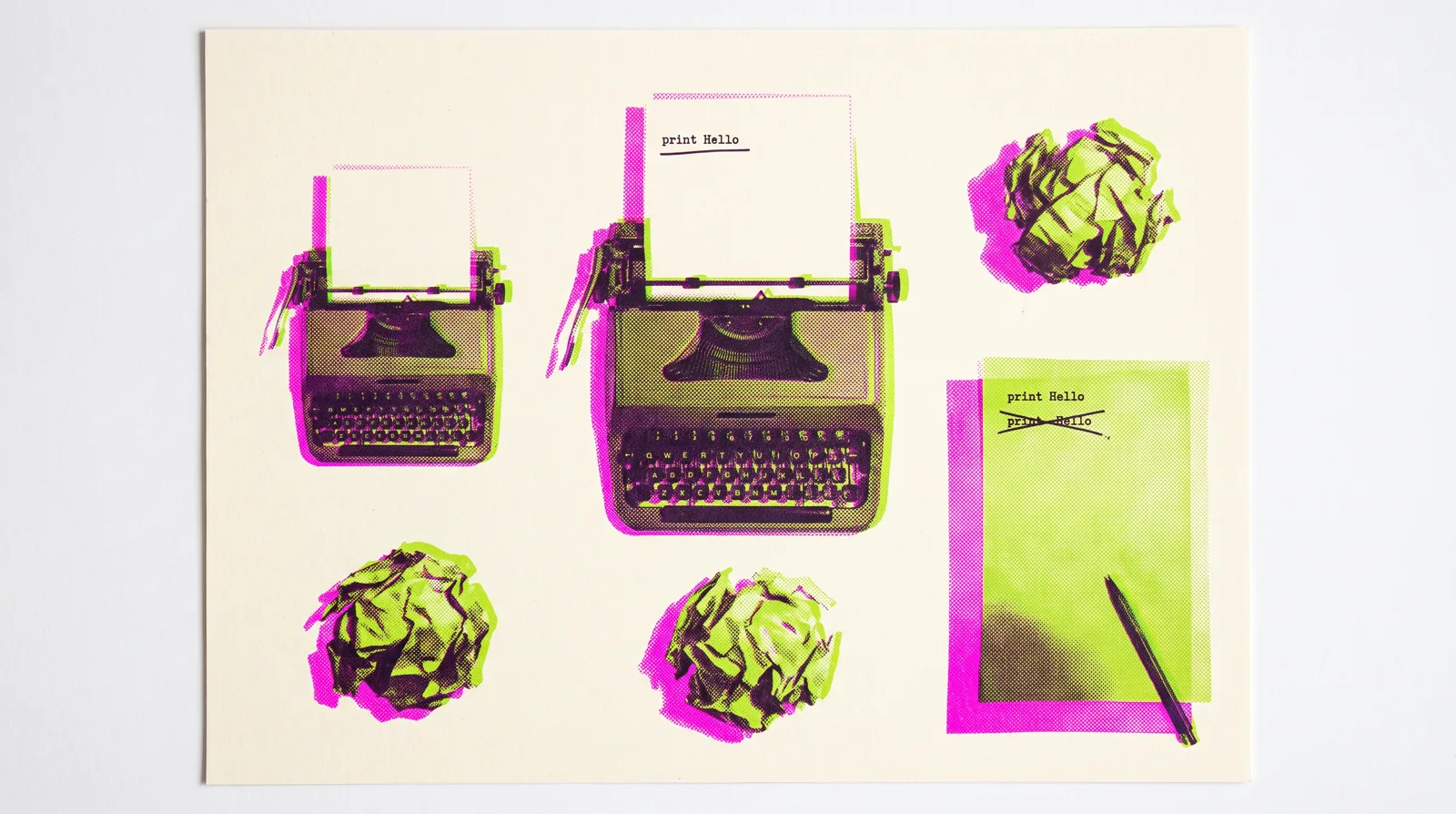
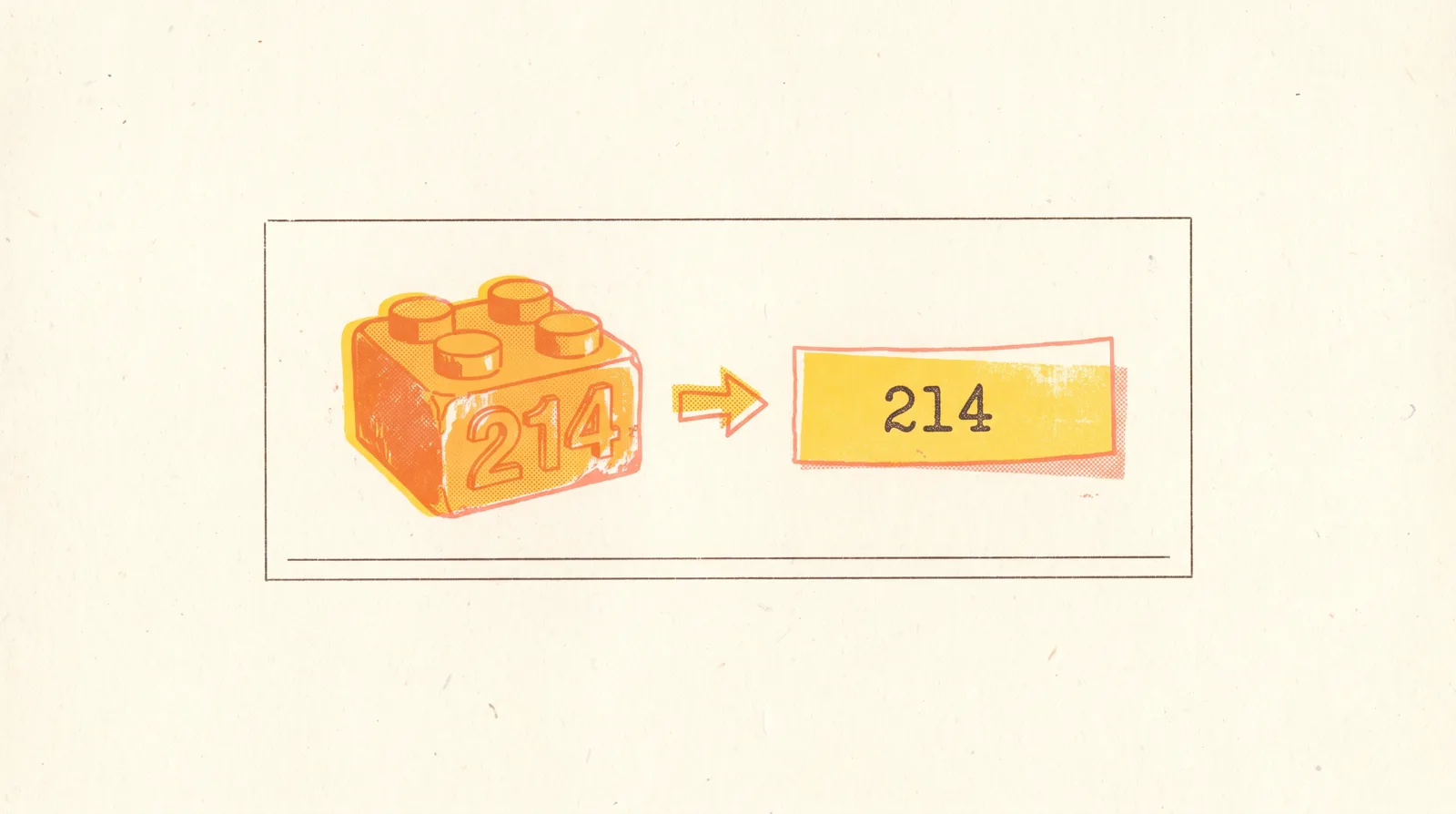
Hier wird nichts Neues gelehrt. Das ist der Sinn. Ein Kind, das ein Scratch-Projekt beendet hat, versteht bereits Ereignisse, Schleifen, Ein- und Ausgabe. Es hat sie nur als farbige Formen kennengelernt, die zusammenpassen. Dieser Abschnitt nimmt ein Projekt, das sie selbst gebaut haben, und baut es in Python neu auf, Block für Block, damit jede Python-Idee bereits verstanden ankommt und nur die Art, wie sie geschrieben wird, neu ist. Wenn angeklickt wird zum Ausführen der Datei. Sage wird print. Frage und warte wird input. Wiederhole wird eine for-Schleife. If bleibt if. Nichts anderes muss gelernt werden zum Übergang. Was gelernt werden muss, ist das, was die Palette früher für dich getan hat. Scratch ließ dich einen Block niemals falsch schreiben, ließ dich niemals einen Doppelpunkt vergessen, ließ dich niemals das falsche Anführungszeichen verwenden, und zeichnete die Klammer der Schleife in Feststofforange um deine Blöcke, damit du sie sehen konntest. Python tut keines davon. Ein ganzes Modul handelt nur von diesen vier Dingen, und jedes wird dadurch erfüllt, dass du es erst falsch eingibst und liest, was der Computer zurücksagt. Das letzte Modul verbindet die übrigen Blöcke und hört dann auf. Dieser Abschnitt ist eine Brücke, kein Python-Kurs. Er endet damit, dass das Kind an Python From a White Sheet übergeben wird, Modul zwei, wo Python richtig anfängt.
Kursübersicht · 4 Module
lockFreigeschaltet mit Zugang- 01 Das gleiche Programm, zweimal3 Lektionen·1h 14m
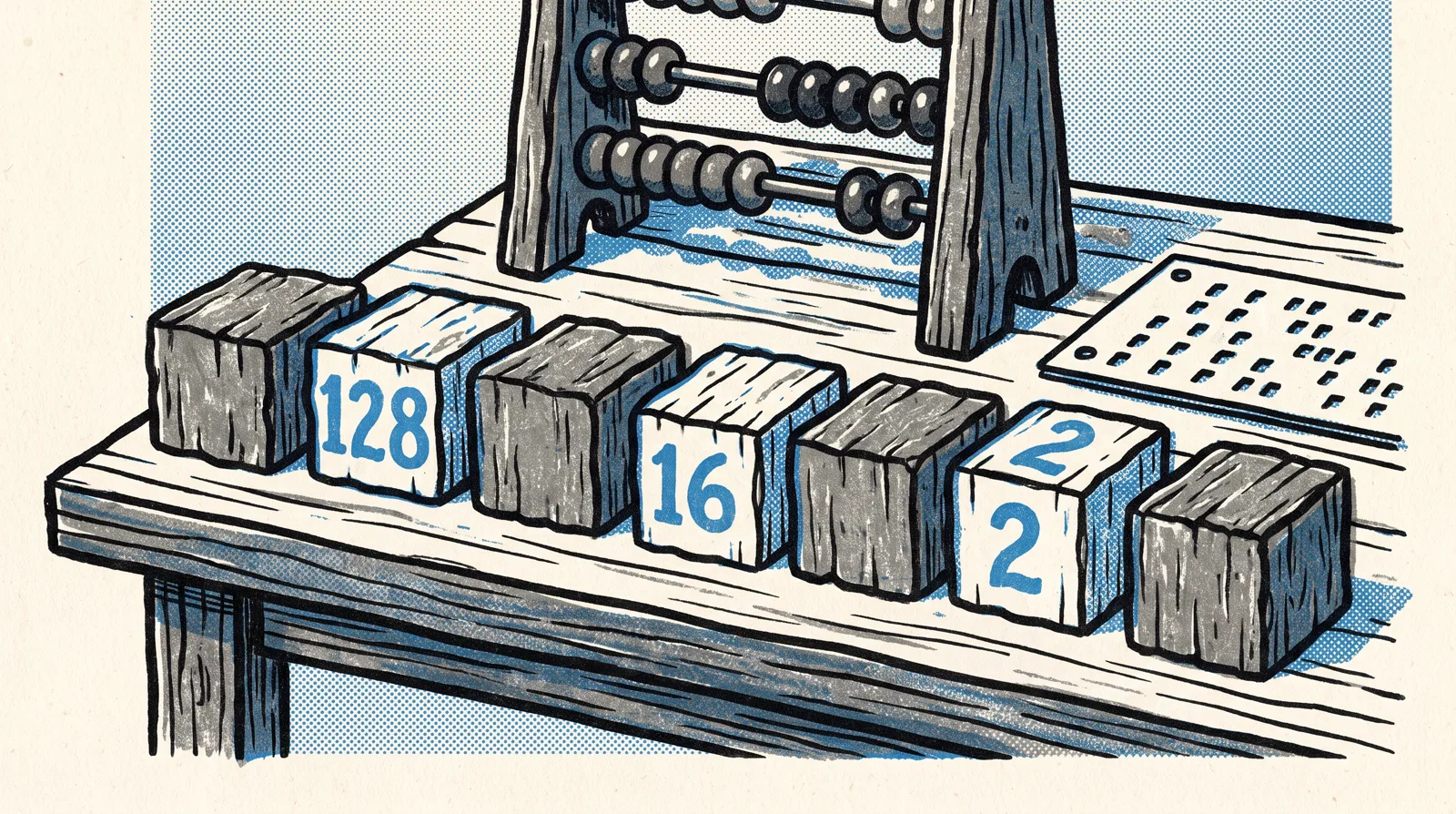
Beginne nicht damit, Python zu erklären. Beginne damit, das eigene Scratch-Skript des Kindes auf der linken Seite des Bildschirms und seine geschriebenen Zeilen auf der rechten Seite zu platzieren.…
- 02 Vier Dinge, die jetzt dein Problem sind3 Lektionen·1h 19m
Jeder Fehler in diesem Modul war in Scratch unsichtbar, weil die Palette ihn verhindert hat. Sag das laut einmal. Dann lass alle vier los. Es wird mehr roter Text in dieser Sitzung geben als im Rest…
- 03 Rebuild It3 Lektionen·1h 21m
Modul 1 war eine Übersetzung mit sichtbarer Lösung. Dies ist dasselbe Programm von Grund auf. Rechne damit, dass es länger dauert als gedacht, und rechne damit, dass der erste Durchlauf fehlschlägt.…
- 04 Die Blöcke, die du noch nicht überquert hast3 Lektionen·1h 12m
Dieses Modul beendet das Segment absichtlich früh. Alles danach gehört zu Python From a White Sheet. Die letzte Lektion ist für den Erwachsenen und handelt davon, wie sie aufhören, benötigt zu werden.
Häufig gefragt
- Was lernst du in Von Blöcken zu Text: Scratch zu Python für 9–12 Jahre?
- Dein Kind hat bereits etwas in Scratch gebaut. Dieses Programm ist dasselbe, nur Zeile für Zeile in Python geschrieben — derselbe Sprung, dieselbe Frage, derselbe Gruß, ohne eine Palette zum Greifen von Blöcken. Zwölf Lektionen über vier Sitzungen, geschrieben für Neun- bis Zwölfjährige an der Tasta
- Brauche ich Vorkenntnisse?
- Nein — Von Blöcken zu Text: Scratch zu Python für 9–12 Jahre beginnt bei den Grundlagen und ist für Anfänger geeignet.
- Wie lange dauert Von Blöcken zu Text: Scratch zu Python für 9–12 Jahre?
- Von Blöcken zu Text: Scratch zu Python für 9–12 Jahre umfasst 4 Module und 12 Lektionen. Du lernst in deinem eigenen Tempo.
- Wie bekomme ich Zugang?
- Von Blöcken zu Text: Scratch zu Python für 9–12 Jahre ist in jedem bezahlten Abo enthalten.
Mehr in Programming