De Bloques a Texto: Scratch a Python para edades 9–12
Tu hijo ya construyó algo en Scratch. Este es el mismo programa, escrito línea por línea en Python — el mismo salto, la misma pregunta, el mismo saludo, sin paleta de bloques para elegir. Doce lecciones en cuatro sesiones, escritas para el niño de nueve a doce años frente al teclado, con cuatro páginas para el adulto a su lado.
- trending_upBeginner
- schedule5h 6m
- menu_book12 lecciones
- publicEnglish
- workspace_premiumBasic
Briefing
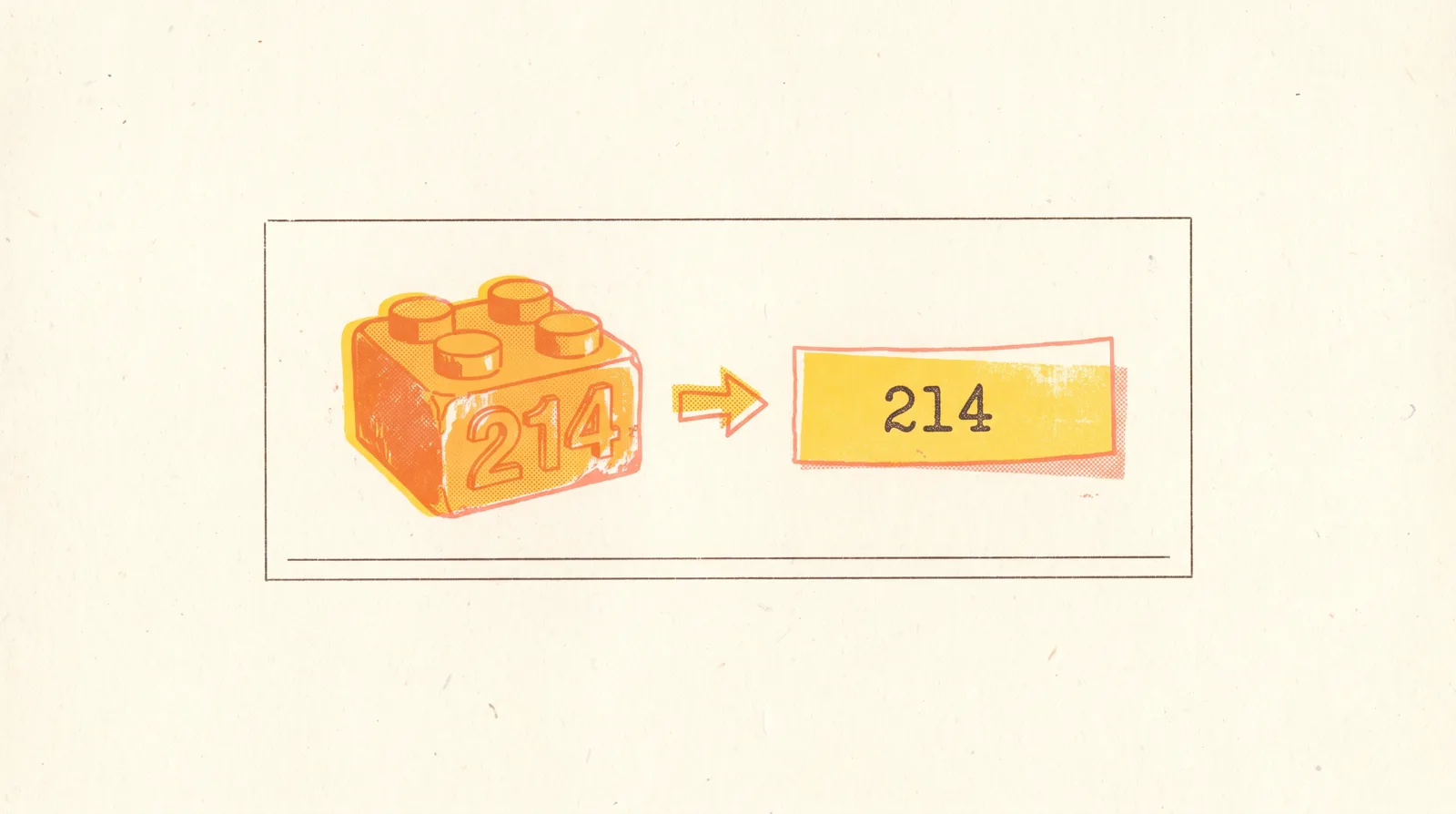
Aquí no se enseña nada nuevo. Ese es el punto. Un niño que terminó un proyecto en Scratch ya entiende eventos, bucles, entrada y salida. Solo los conoció como formas de colores que encajan. Este segmento toma un proyecto que construyó él mismo y lo reconstruye en Python, bloque a bloque, para que cada idea de Python llegue ya entendida y solo la manera de escribirla sea nueva. Al hacer clic se convierte en ejecutar el archivo. Say se convierte en print. Ask and wait se convierte en input. Repeat se convierte en un bucle for. If sigue siendo if. Nada más tiene que aprenderse para cruzar. Lo que sí tiene que aprenderse es lo que la paleta solía hacer por ti. Scratch nunca te permitió escribir mal un bloque, nunca te permitió olvidar un dos puntos, nunca te permitió usar el tipo de comilla equivocado, y dibujó el corchete del bucle alrededor de tus bloques en naranja sólido para que pudieras verlo. Python no hace nada de eso. Un módulo entero trata sobre esas cuatro cosas y nada más, y cada una se encuentra escribiéndola mal primero y leyendo lo que el computador dice de vuelta. El último módulo cubre los bloques que quedaron, y luego se detiene. Este segmento es un puente, no un curso de Python. Termina entregando al niño a Python From a White Sheet, módulo dos, que es donde Python propiamente dicho comienza.
Temario del curso · 4 módulos
lockSe desbloquea con acceso- 01 El Mismo Programa, Dos Veces3 lecciones·1h 14m
No comiences explicando Python. Comienza poniendo el script Scratch del niño en el lado izquierdo de la pantalla y sus líneas escritas en el lado derecho. Todo el módulo es la afirmación de que estos…
- 02 Cuatro Cosas Que Ahora Son Tu Problema3 lecciones·1h 19m
Cada fallo en este módulo era invisible en Scratch porque la paleta lo impedía. Di eso en voz alta una vez. Luego déjalos a los cuatro funcionar. Habrá más texto rojo en esta sesión que en el resto…
- 03 Reconstruirlo3 lecciones·1h 21m
El módulo 1 fue traducción con la respuesta visible. Este es el mismo programa desde cero. Espera que tarde más de lo que piensas y espera que la primera ejecución falle. El módulo termina con el…
- 04 Los Bloques Que Aún No Has Cruzado3 lecciones·1h 12m
Este módulo termina el segmento deliberadamente temprano. Todo lo que viene después pertenece a Python From a White Sheet. La última lección es para el adulto y trata sobre cómo dejan de ser…
Preguntas frecuentes
- ¿Qué aprenderé en De Bloques a Texto: Scratch a Python para edades 9–12?
- Tu hijo ya construyó algo en Scratch. Este es el mismo programa, escrito línea por línea en Python — el mismo salto, la misma pregunta, el mismo saludo, sin paleta de bloques para elegir. Doce lecciones en cuatro sesiones, escritas para el niño de nueve a doce años frente al teclado, con cuatro pági
- ¿Necesito experiencia previa?
- No — De Bloques a Texto: Scratch a Python para edades 9–12 parte de los fundamentos y es apto para principiantes.
- ¿Cuánto tiempo lleva completar De Bloques a Texto: Scratch a Python para edades 9–12?
- De Bloques a Texto: Scratch a Python para edades 9–12 incluye 4 módulos y 12 lecciones. Aprendes a tu propio ritmo.
- ¿Cómo obtengo acceso?
- De Bloques a Texto: Scratch a Python para edades 9–12 está incluido en cualquier suscripción de pago.
Más en Programación