Python da zero
La sequenza esatta che nove studenti hanno già percorso, da un file vuoto a un programma che fa domande, controlla le risposte e rifiuta input sbagliati. Nessuna esperienza di programmazione. Nessuna matematica. Lo romperai di proposito, più volte.
- trending_upBeginner
- schedule5h 43m
- menu_book12 lezioni
- publicEnglish
- boltPool gratuito
Briefing
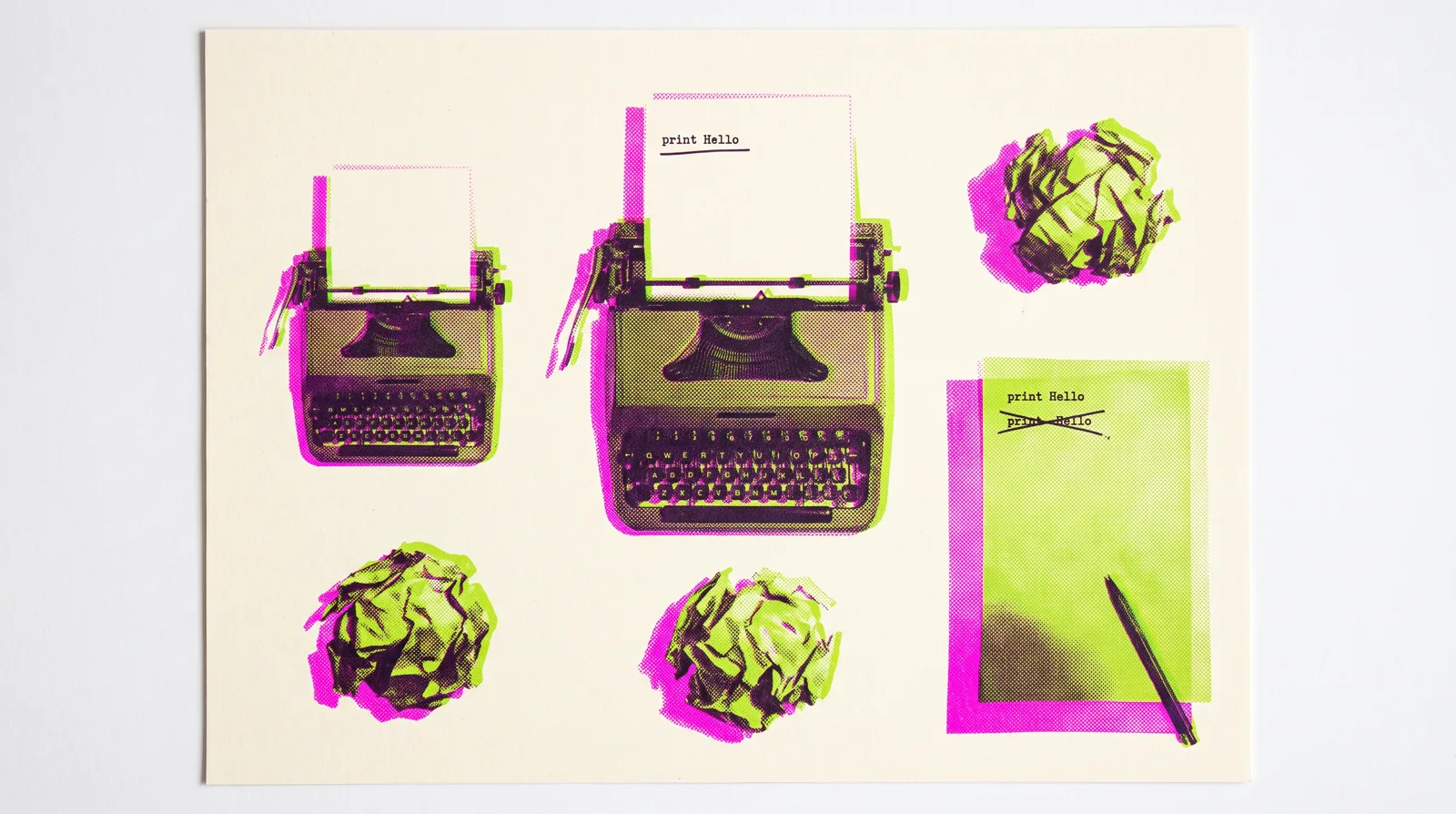
La maggior parte dei corsi per principianti vi mostra codice funzionante e vi chiede di ammirarla. Questo pianta il bug e lo lascia scattare. Scriverai un programma su quattro moduli. Inizia come una sola riga `print` e finisce come qualcosa che fa una domanda, ripulisce quello che la persona ha digitato, decide cosa farne, fa calcoli su di esso, rifiuta nonsense e ripete finché non è soddisfatto. Ogni errore che incontri sul cammino è uno che uno studente vero ha già colpito: lo spazio di coda, la lettera maiuscola, i due punti mancanti, il risultato che hai dimenticato di memorizzare, il numero che era segretamente un pezzo di testo. Alla fine non avrai memorizzato Python. Sarai in grado di scoprire perché qualcosa non funziona, che è il lavoro vero.
Programma del corso · 4 moduli
lockSblocca con l'accesso- 01 First Contact3 lezioni·1h 13m
Qui non c'è niente di concettuale. Digiti, esegui, leggi quello che il computer dice. L'unica abilità che questo modulo allena è leggere un messaggio di errore invece di andare nel panico.
- 02 Funzioni e Decisioni3 lezioni·1h 27m
Due regole arrivano in questo modulo e valgono per il resto della tua vita in Python. Tutte le definizioni in alto, tutte le chiamate in basso. E l'indentazione sono parentesi quadre immaginarie — il…
- 03 Pulire Ciò Che Digita la Gente3 lezioni·1h 8m
I piatti sporchi vanno nel lavandino prima della credenza. Niente di ciò che una persona ha digitato entra nella tua logica finché non è passato attraverso clean().
- 04 Numeri, Validazione e Cicli3 lezioni·1h 55m
Garbage in, garbage out. input() ti consegna sempre testo, anche quando sembra un numero, e il programma che se ne fida è il programma che crasha davanti a qualcuno.
Domande frequenti
- Cosa imparerò in Python da zero?
- La sequenza esatta che nove studenti hanno già percorso, da un file vuoto a un programma che fa domande, controlla le risposte e rifiuta input sbagliati. Nessuna esperienza di programmazione. Nessuna matematica. Lo romperai di proposito, più volte.
- Ho bisogno di esperienza precedente?
- No — Python da zero parte dalle basi ed è adatto ai principianti.
- Quanto tempo richiede Python da zero?
- Python da zero include 4 moduli e 12 lezioni. Impari al tuo ritmo.
- Come accedo?
- Python da zero fa parte del pool gratuito — crea un account gratuito e aggiungilo alla tua collezione.
Altro in Programming