code programming

Python From a White Sheet

정확히 아홉 명의 학생이 이미 걸어간 경로입니다. 빈 파일에서 시작해 질문을 하고, 답을 검사하고, 잘못된 입력을 거부하는 프로그램까지. 프로그래밍 사전 경험 없음. 수학 필요 없음. 의도적으로 반복해서 부술 것입니다.

  • trending_upBeginner
  • schedule5h 43m
  • menu_book12개 강의
  • publicEnglish
  • bolt무료 풀
Python From a White Sheet

개요

대부분의 초급 과정은 작동하는 코드를 보여주고 감탄하도록 요구합니다. 이 과정은 버그를 심고 실행되게 합니다. 네 개의 모듈에 걸쳐 하나의 프로그램을 작성합니다. 단일 `print` 줄에서 시작해 질문을 하고, 입력한 내용을 정리하고, 그것으로 무엇을 할지 결정하고, 산술 연산을 수행하고, 말도 안 되는 것을 거부하고 만족할 때까지 반복하는 것으로 끝납니다. 도중에 만나는 모든 실패는 실제 학생이 먼저 경험한 것입니다: 뒤에 붙은 공백, 대문자, 빠진 콜론, 저장하지 않은 결과, 몰래 텍스트였던 숫자. 마지막에는 Python을 암기하지 않게 됩니다. 뭔가 작동하지 않는 이유를 찾을 수 있게 됩니다. 이것이 실제 업무입니다.

강의 커리큘럼 · 4개 모듈

lock접근 시 이용 가능
  1. 01 First Contact
    3개 강의·1h 13m

    여기서는 개념적인 내용이 없습니다. 코드를 입력하고, 실행하고, 컴퓨터가 돌려주는 메시지를 읽습니다. 이 모듈에서 훈련하는 유일한 기술은 에러 메시지를 읽는 것이지, 그것에 당황하는 것이 아닙니다.

  2. 02 함수와 조건
    3개 강의·1h 27m

    이 모듈에서 두 가지 규칙이 나타나며, Python에서의 나머지 삶 동안 유지됩니다. 모든 정의는 위에, 모든 호출은 아래에. 그리고 들여쓰기는 상상의 괄호입니다 — 컴퓨터는 공백을 세어서 무엇이 무엇에 속하는지 결정합니다.

  3. 03 사람들이 입력한 것 정리하기
    3개 강의·1h 8m

    더러운 접시는 선반 앞에 싱크대에 간다. 사람이 입력한 어떤 것도 clean()을 통과하기 전까지는 당신의 로직에 들어가지 않는다.

  4. 04 숫자, 유효성 검사 그리고 루프
    3개 강의·1h 55m

    쓰레기 입력, 쓰레기 출력. input()은 숫자처럼 보여도 항상 텍스트를 건네주고, 그것을 믿는 프로그램은 누군가 앞에서 충돌하는 프로그램이다.

자주 묻는 질문

Python From a White Sheet에서 무엇을 배우나요?
정확히 아홉 명의 학생이 이미 걸어간 경로입니다. 빈 파일에서 시작해 질문을 하고, 답을 검사하고, 잘못된 입력을 거부하는 프로그램까지. 프로그래밍 사전 경험 없음. 수학 필요 없음. 의도적으로 반복해서 부술 것입니다.
사전 경험이 필요한가요?
아니요 — Python From a White Sheet은 기초부터 시작하며 초보자에게 적합해요.
Python From a White Sheet은 얼마나 걸리나요?
Python From a White Sheet은 4개 모듈과 12개 강의로 구성되어 있고, 자신의 속도로 학습할 수 있어요.
어떻게 접근하나요?
Python From a White Sheet은 무료 풀에 포함되어 있어요 — 무료 계정을 만들고 컬렉션에 추가하세요.

프로그래밍의 다른 강의

First Program — Scratch for ages 5–9
Beginner First Program — Scratch for ages 5–9 Nine Scratch blocks, three sessions of about twenty-five minutes, and one small program a child of five to nine builds themselves. Written for the parent sitting beside them: what to click, what they will get stuck on, what to say when it goes wrong, and when to keep your hands off the mouse.
Binary, Hex and Data Units
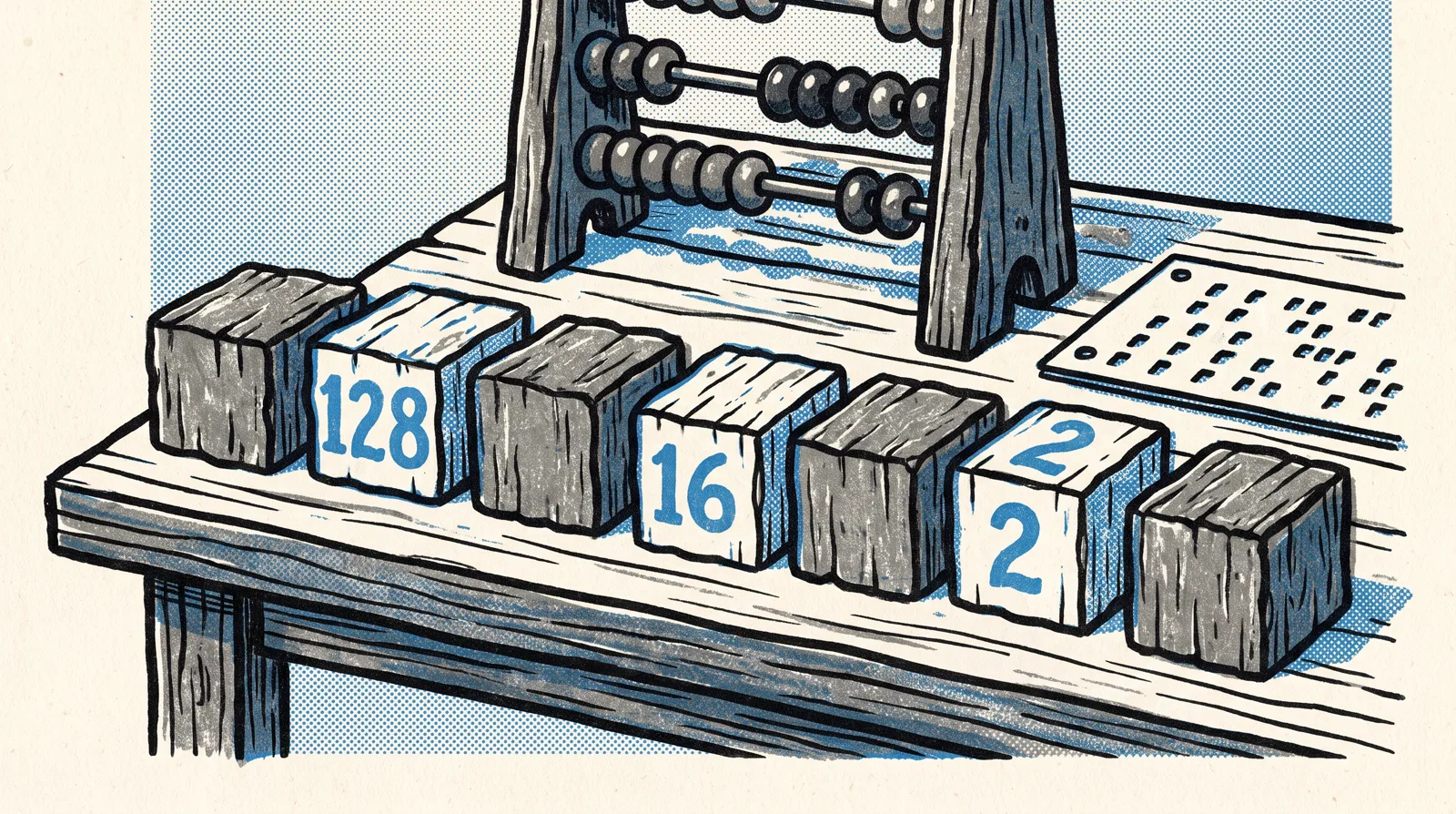
Beginner Binary, Hex and Data Units The topic that costs more marks than any other on the paper, taught by hand. Bits and bytes, binary and hex in all six directions, the 1000-versus-1024 trap, file sizes, transmission times, overflow, two's complement and character sets. Every module ends in a timed drill marked the way an examiner marks it.
AI Without the Hype
Beginner AI Without the Hype What the model is actually doing when it answers you, why that produces something that looks like thinking, why it invents citations, and the cost mechanic almost nobody explains: a chat resends the entire conversation on every single turn. You will do the arithmetic yourself.
IGCSE and GCSE Computer Science — Theory That Actually Gets Marked
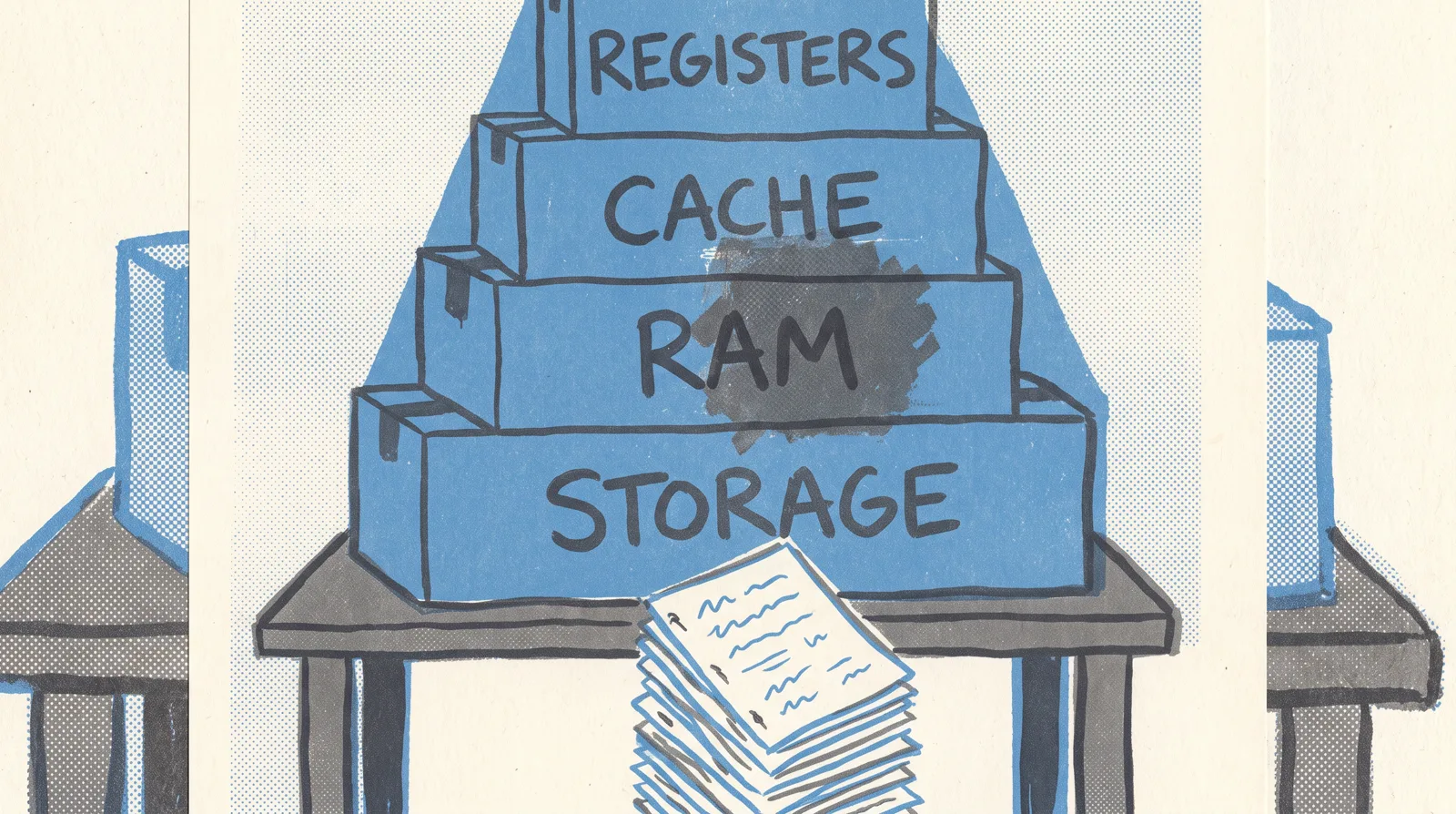
Intermediate IGCSE and GCSE Computer Science — Theory That Actually Gets Marked The theory half of the paper, taught so it survives the exam room. The memory hierarchy and what actually happens at boot. Compilers, interpreters and assemblers, including the answer that sounds right and scores nothing. Databases from a spreadsheet up to keys and normalisation. DNS and the full path between pressing Enter and seeing the page. Systems software, and the ethical and legal section that is the easiest ten marks on the paper.
Programming for the Exam — Python Answers That Score
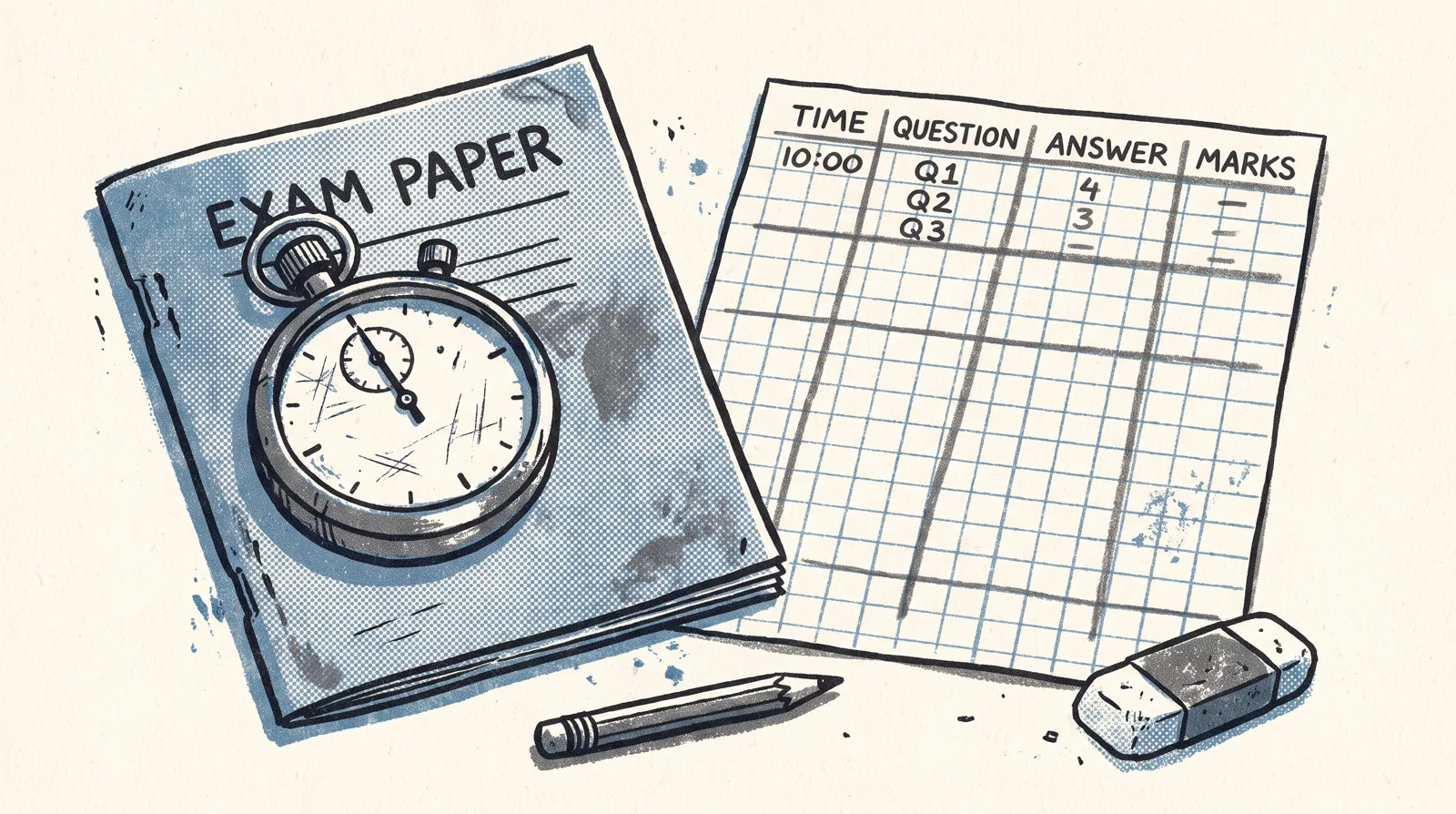
Intermediate Programming for the Exam — Python Answers That Score The programming half of the paper, taught at exam pitch. Pseudocode translated both ways, because the mark scheme is written in a notation nobody practises. Trace tables done column by column, including the ones with a loop and a condition inside it. Linear and binary search, bubble and insertion sort, what each costs and the comparison questions boards love. Validation against verification, and the boundary test data everybody forgets. Procedures against functions, and a systematic method for finding your own error with four minutes left.
AI at Your Desk
Beginner AI at Your Desk You have an office job, you are losing hours a week, and you do not care how any of this works. Four tasks from your own week, each done twice and timed. A fifth you should not have handed over. You finish with real work done and a page of your own numbers you can show someone.