Python od pustej kartki
Dokładna sekwencja, którą przeszło już dziewięciu studentów, od pustego pliku do programu, który zadaje pytania, sprawdza odpowiedzi i odrzuca złe dane wejściowe. Bez wcześniejszej wiedzy programistycznej. Bez matematyki. Będziesz go powtarzać rozbijać, celowo.
- trending_upBeginner
- schedule5h 43m
- menu_bookLekcje: 12
- publicEnglish
- boltPula darmowa
Odprawa
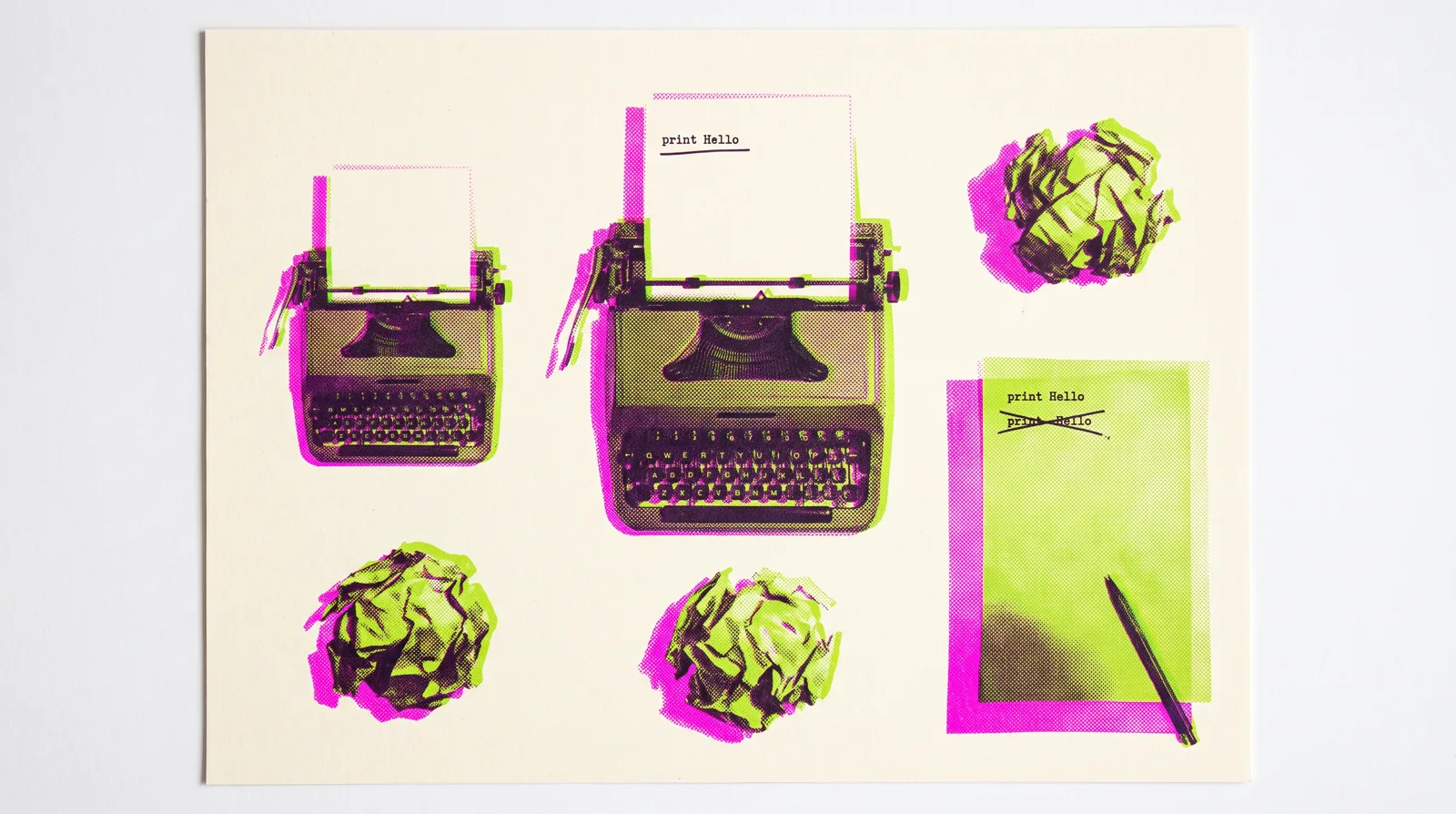
Większość kursów dla początkujących pokazuje ci działający kod i prosi, abyś go podziwiał. Ten robi coś innego — sadza błąd i pozwala mu się wypalić. Napiszesz jeden program na przestrzeni czterech modułów. Zaczyna się jako jedna linia `print` i kończy się czymś, co zadaje pytanie, czyści to, co osoba wpisała, decyduje, co z tym zrobić, wykonuje na tym operacje arytmetyczne, odrzuca nonsensy i pętli aż będzie zadowolone. Każda niepowodzenia, na którą się natkniesz, napotkała wcześniej pierwszy prawdziwy student: spacja na końcu, wielka litera, brakujący dwukropek, wynik, który zapomniałeś zapisać, liczba, która była ukrytym tekstem. Na koniec nie będziesz miał zapamiętanego Pythona. Będziesz w stanie dowiedzieć się, dlaczego coś nie działa, co jest właściwą pracą.
Program kursu · Moduły: 4
lockOdblokowuje się z dostępem- 01 Pierwszy KontaktLekcje: 3·1h 13m
Tutaj nic nie jest teoretyczne. Piszesz, uruchamiasz, czytasz, co komputer Ci odpowiada. Jedyną umiejętnością trenowaną w tym module jest czytanie komunikatu błędu zamiast panikowania.
- 02 Funkcje i DecyzjeLekcje: 3·1h 27m
Dwie reguły pojawiają się w tym module i obowiązują przez resztę twojego życia w Python. Wszystkie definicje na górze, wszystkie wywołania na dole. A wcięcia to wyobrażone nawiasy — komputer…
- 03 Czyszczenie tego, co ludzie wpisująLekcje: 3·1h 8m
Brudne naczynia idą do zlewu przed szafką. Nic z tego, co osoba wpisała, nie trafia do twojej logiki, zanim nie przejdzie przez clean().
- 04 Liczby, walidacja i pętleLekcje: 3·1h 55m
Śmieci na wejściu, śmieci na wyjściu. input() zawsze zwraca tekst, nawet gdy wygląda jak liczba, a program, który mu ufa, to program, który się wysypie na oczach kogoś.
Najczęściej zadawane pytania
- Czego się nauczę w Python od pustej kartki?
- Dokładna sekwencja, którą przeszło już dziewięciu studentów, od pustego pliku do programu, który zadaje pytania, sprawdza odpowiedzi i odrzuca złe dane wejściowe. Bez wcześniejszej wiedzy programistycznej. Bez matematyki. Będziesz go powtarzać rozbijać, celowo.
- Czy potrzebuję wcześniejszego doświadczenia?
- Nie — Python od pustej kartki zaczyna się od podstaw i jest odpowiedni dla początkujących.
- Ile czasu zajmuje Python od pustej kartki?
- Python od pustej kartki obejmuje 4 modułów i 12 lekcji. Uczysz się we własnym tempie.
- Jak uzyskać dostęp?
- Python od pustej kartki należy do puli darmowej — załóż darmowe konto i dodaj go do swojej kolekcji.
Więcej w: Programowanie