code communication

Technical English — Being Understood at Work

你的英文书面表达没问题,但口语会让你失利。这个方法对在职工程师和分析师有效:写脚本、标记重点、大声朗读五遍、录下第一遍和最后一遍,然后听两个版本。四个固定项目,全部由你录音。

  • trending_upIntermediate
  • schedule6h 39m
  • menu_book12 节课程
  • publicEnglish
  • workspace_premiumBasic
Technical English — Being Understood at Work

课程概述

你很能干。你能读英文规范文档,你的书面沟通清晰有力,从没人抱怨过。然后你开口讲话,当众讲话,结果很糟糕。你卡壳了。你开始说一句话,却无法完成。你说出工具名称,房间里一片沉默。 这不是语言问题。这是一个穿着语言问题外衣的准备问题。 这个章节讲的是在职业人士身上真正执行过的方法——巴塞罗那的SOC分析师、一名意大利威胁情报分析师、一名俄语系基础设施工程师、一名波兰网络工程师。你要写脚本。不是笔记——脚本,完整句子,五分钟,三个案例。把未解决的事放在前面,给所有内容标记进行中或已完成。去掉行业术语,改用人类语言:"某人的Windows电脑",而不是"端点"。给每个技术陈述加上"那又怎样",因为只说工具名字就停下来这个错误在两个不同的学习者身上独立出现过。在页面上标记重点和停顿。一次性大声朗读五遍或以上。录下第一次尝试和最后一次尝试,按顺序听两个版本,差异是能听出来的——这是唯一真正能说服任何人的反馈。 你要制作和录制四样东西:一次站会、一次班次交接报告(标出可疑的服务账户)、一次对不懂技术的经理的事件简报,以及对你没有预料到的敌对问题的回答。 没有语法课。没有口音训练。你的口音没问题,就这样了。

课程大纲 · 4 个模块

lock解锁权限内容
  1. 01 开口之前
    3 节课程·1h 18m

    笔记在压力下会崩溃。脚本不会。这就是本模块的全部论点,它不是一种文体偏好——这是反复发生在那些因为熟悉材料就即兴表演的人身上的事。你也要热身:在课程之前和真正开始之前,大声朗读五到十分钟。如果这听起来很夸张,录一段你冷的状态,再录一段热身十分钟后的状态,然后停止和录音争论。

  2. 02 顺序和措辞
    3 节课程·1h 32m

    大多数人按事件发生的顺序进行汇报,这样会把房间里真正需要的那一件事埋了。未解决的事项要放首位。然后是正在进行的。最后是已完成的,放在最后且要简短。而"endpoint"这个词会让人离开房间再也回不来。

  3. 03 那又如何
    3 节课程·1h 41m

    你命名了这个工具。你从未说过为什么任何人应该在乎。你在利益相关者面前做出的每个技术陈述都包含三个部分,而你只在传达其中之一。工具、影响、诉求。全部说出来或者都不说。

  4. 04 实时出错时的处理
    3 节课程·2h 8m

    到目前为止的所有内容都假设你能完成你的句子。本模块假设你不能。它以完整的会话结尾——冷读、剧本、五遍通读、最终版、两个播放——这是你之后在自己的时间里一直在做的事,大约每两周一次,持续约四十分钟。

常见问题

我将在 Technical English — Being Understood at Work 中学到什么?
你的英文书面表达没问题,但口语会让你失利。这个方法对在职工程师和分析师有效:写脚本、标记重点、大声朗读五遍、录下第一遍和最后一遍,然后听两个版本。四个固定项目,全部由你录音。
我需要有先前的经验吗?
建议在开始 Technical English — Being Understood at Work 前具有一定的先前知识。
Technical English — Being Understood at Work 需要多长时间?
Technical English — Being Understood at Work 包含 4 个模块和 12 节课程。您可以按自己的速度学习。
我如何获得访问权限?
Technical English — Being Understood at Work 包含在任何付费订阅中。

更多 编程 课程
Binary, Hex and Data Units
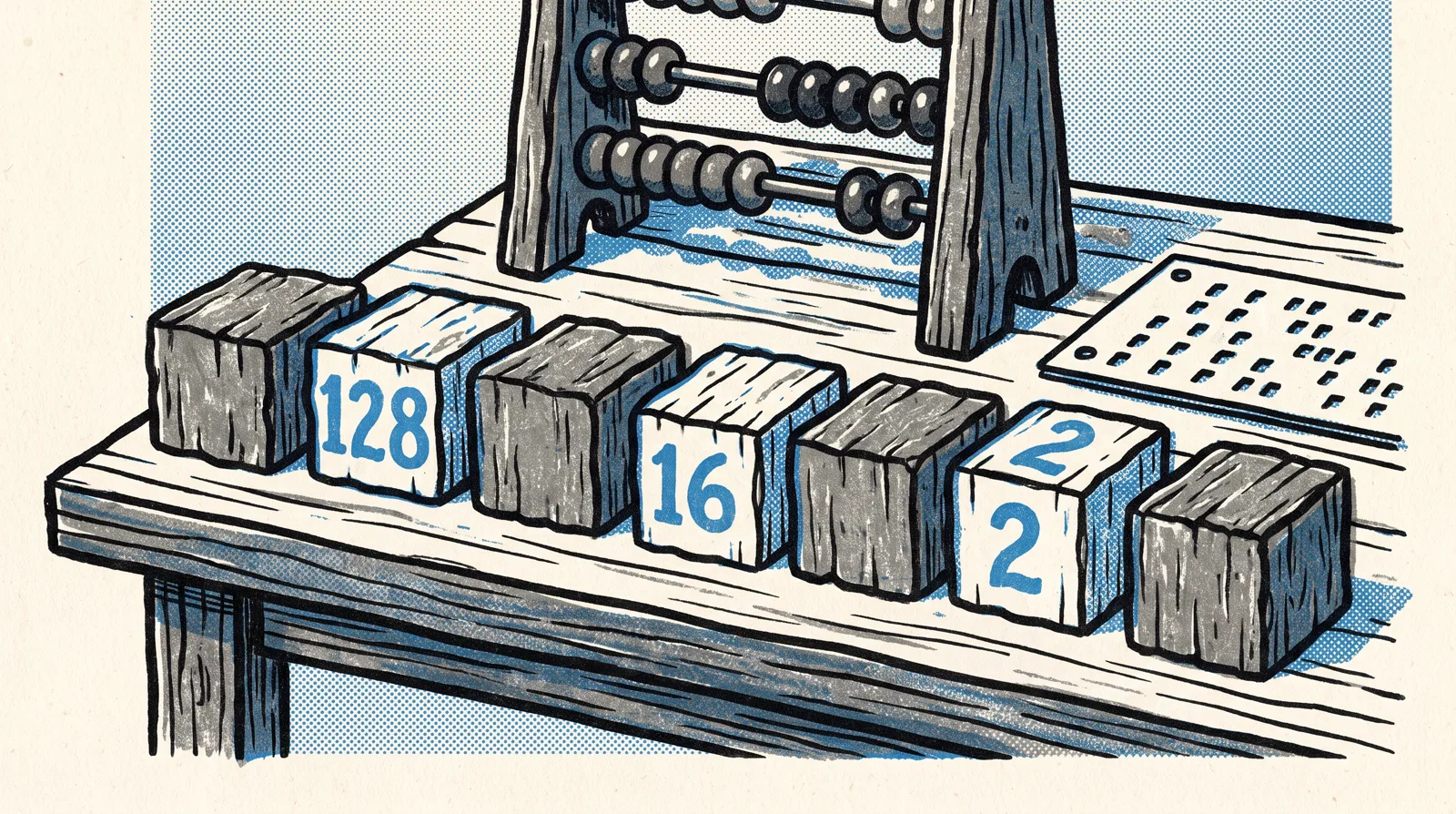
Beginner Binary, Hex and Data Units The topic that costs more marks than any other on the paper, taught by hand. Bits and bytes, binary and hex in all six directions, the 1000-versus-1024 trap, file sizes, transmission times, overflow, two's complement and character sets. Every module ends in a timed drill marked the way an examiner marks it.
First Program — Scratch for ages 5–9
Beginner First Program — Scratch for ages 5–9 Nine Scratch blocks, three sessions of about twenty-five minutes, and one small program a child of five to nine builds themselves. Written for the parent sitting beside them: what to click, what they will get stuck on, what to say when it goes wrong, and when to keep your hands off the mouse.
AI Without the Hype
Beginner AI Without the Hype What the model is actually doing when it answers you, why that produces something that looks like thinking, why it invents citations, and the cost mechanic almost nobody explains: a chat resends the entire conversation on every single turn. You will do the arithmetic yourself.
从空白开始学 Python
Beginner 从空白开始学 Python 九位学生已经走过的确切步骤,从空白文件到一个能提问、检查答案并拒绝错误输入的程序。无需编程基础。无需数学。你会故意反复出错。
IGCSE and GCSE Computer Science — Theory That Actually Gets Marked
Intermediate IGCSE and GCSE Computer Science — Theory That Actually Gets Marked The theory half of the paper, taught so it survives the exam room. The memory hierarchy and what actually happens at boot. Compilers, interpreters and assemblers, including the answer that sounds right and scores nothing. Databases from a spreadsheet up to keys and normalisation. DNS and the full path between pressing Enter and seeing the page. Systems software, and the ethical and legal section that is the easiest ten marks on the paper.
Programming for the Exam — Python Answers That Score
Intermediate Programming for the Exam — Python Answers That Score The programming half of the paper, taught at exam pitch. Pseudocode translated both ways, because the mark scheme is written in a notation nobody practises. Trace tables done column by column, including the ones with a loop and a condition inside it. Linear and binary search, bubble and insertion sort, what each costs and the comparison questions boards love. Validation against verification, and the boundary test data everybody forgets. Procedures against functions, and a systematic method for finding your own error with four minutes left.