code communication

技術英文——在職場上被理解

你的英文書寫沒問題,但說話時卻會失利。這是適用於工程師和分析師的方法:寫一份腳本、標記重點、朗讀五遍、錄下第一次和最後一次,然後聆聽兩份錄音。四個段落,全由你自己錄製。

  • trending_upIntermediate
  • schedule6h 39m
  • menu_book12 堂課程
  • publicEnglish
  • workspace_premiumBasic
技術英文——在職場上被理解

課程簡介

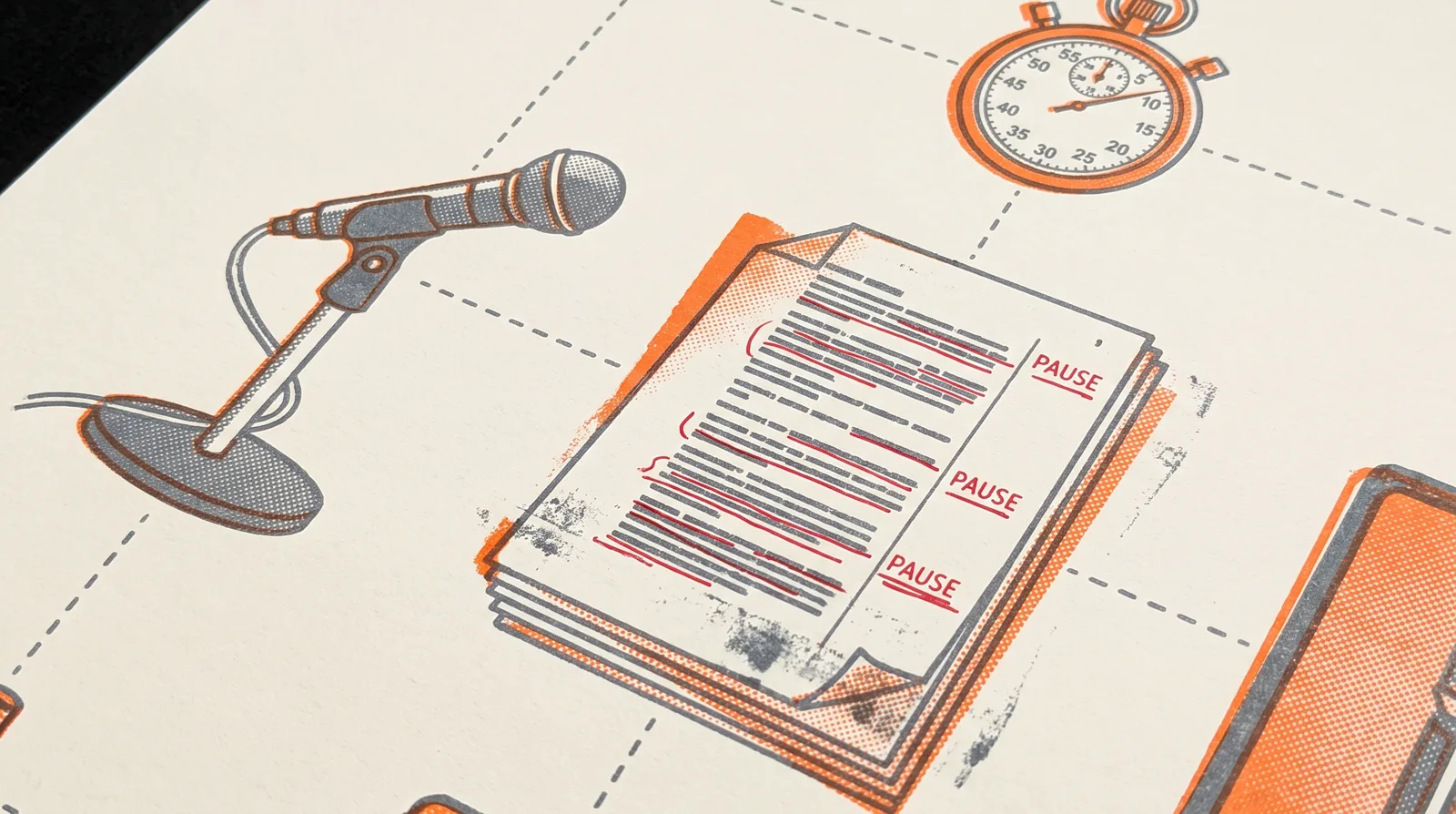
你很有能力。你能用英文閱讀規格書,你的書面訊息清楚明確,沒有人對它們有過怨言。然後你當著人面說話,情況就變糟了。你丟掉了字詞。你開始了一句卻說不完。你說出工具名稱,房間裡卻一片空白。 這不是語言問題。這是一個換了語言問題外衣的準備問題。 這段落是真實運用於在職專業人士的方法——巴塞隆納的 SOC 分析師、義大利威脅情報分析師、俄語系基礎設施工程師、波蘭網路工程師。你寫一份腳本。不是筆記——是腳本,完整句子,五分鐘,三個案例。你把未解決的事項放在最前面並標記為進行中或已完成。你把專業術語拿掉,改成人類語言:「某人的 Windows PC」,不是「端點」。你在每個技術陳述後面附加「那又怎樣」,因為只提工具名稱就停下來是在兩個不同學習者身上各自出現過的毛病。你標記頁面以標示重點和停頓。你在一次坐下時朗讀五次或以上。你錄下第一次嘗試和最後一次嘗試,按順序聆聽兩份,差異是聽得出來的——這是唯一曾經說服過任何人的回饋。 你將建立並錄製四件事:一場站立會議、一份標記可疑服務帳戶的班次交班、對不懂技術的經理的事件簡報,以及對你沒有預料到的敵意問題的回答。 沒有文法。沒有口音工作。你的口音很好,它就保持現狀。

課程大綱 · 4 個單元

lock隨存取權限解鎖
  1. 01 開口之前
    3 堂課程·1h 18m

    筆記在壓力下會崩潰。劇本不會。這整個模組的論點就在這裡,這不是風格偏好——這是反覆發生在那些因為熟悉內容而即興表演的人身上的事。你也需要熱身:在課程開始前和真正上場前,用五到十分鐘,大聲地練習。如果這聽起來很戲劇化,那就錄下你未經準備的表現,然後在十分鐘熱身後再錄一次,停止辯論那個錄音。

  2. 02 順序與用語
    3 堂課程·1h 32m

    大多數人按事件發生的順序進行簡報,但這樣會掩蓋房間裡的人真正需要的那個重點。未解決的放在最前面。然後是進行中的。最後才是已完成的,而且要簡短。「endpoint」這個詞會讓人摸不著頭腦。

  3. 03 那麼呢
    3 堂課程·1h 41m

    你命名了工具。但你從未說明為什麼任何人應該關心。你在利害關係人面前提出的每一項技術聲明都有三個部分,而你只說出其中一個。工具、影響、請求。要麼全部說出,要麼都別說。

  4. 04 當事情在直播中出錯時
    3 堂課程·2h 8m

    到目前為止,一切都假設你能夠完成你的句子。這個模組假設你無法完成。它以完整的課程結束——冷感受、劇本、五次通過、最後一次、兩者都播放——這就是你之後自己反覆做的事,大約每兩週一次,約四十分鐘。

常見問題

我將在 技術英文——在職場上被理解 中學到什麼?
你的英文書寫沒問題,但說話時卻會失利。這是適用於工程師和分析師的方法:寫一份腳本、標記重點、朗讀五遍、錄下第一次和最後一次,然後聆聽兩份錄音。四個段落,全由你自己錄製。
我需要事先具備經驗嗎?
建議在開始 技術英文——在職場上被理解 前具備一些先備知識。
技術英文——在職場上被理解 需要多長時間?
技術英文——在職場上被理解 包含 4 個單元和 12 堂課程。你可以按自己的進度學習。
我如何取得存取權限?
技術英文——在職場上被理解 包含在任何付費訂閱方案中。

程式設計 中的更多內容
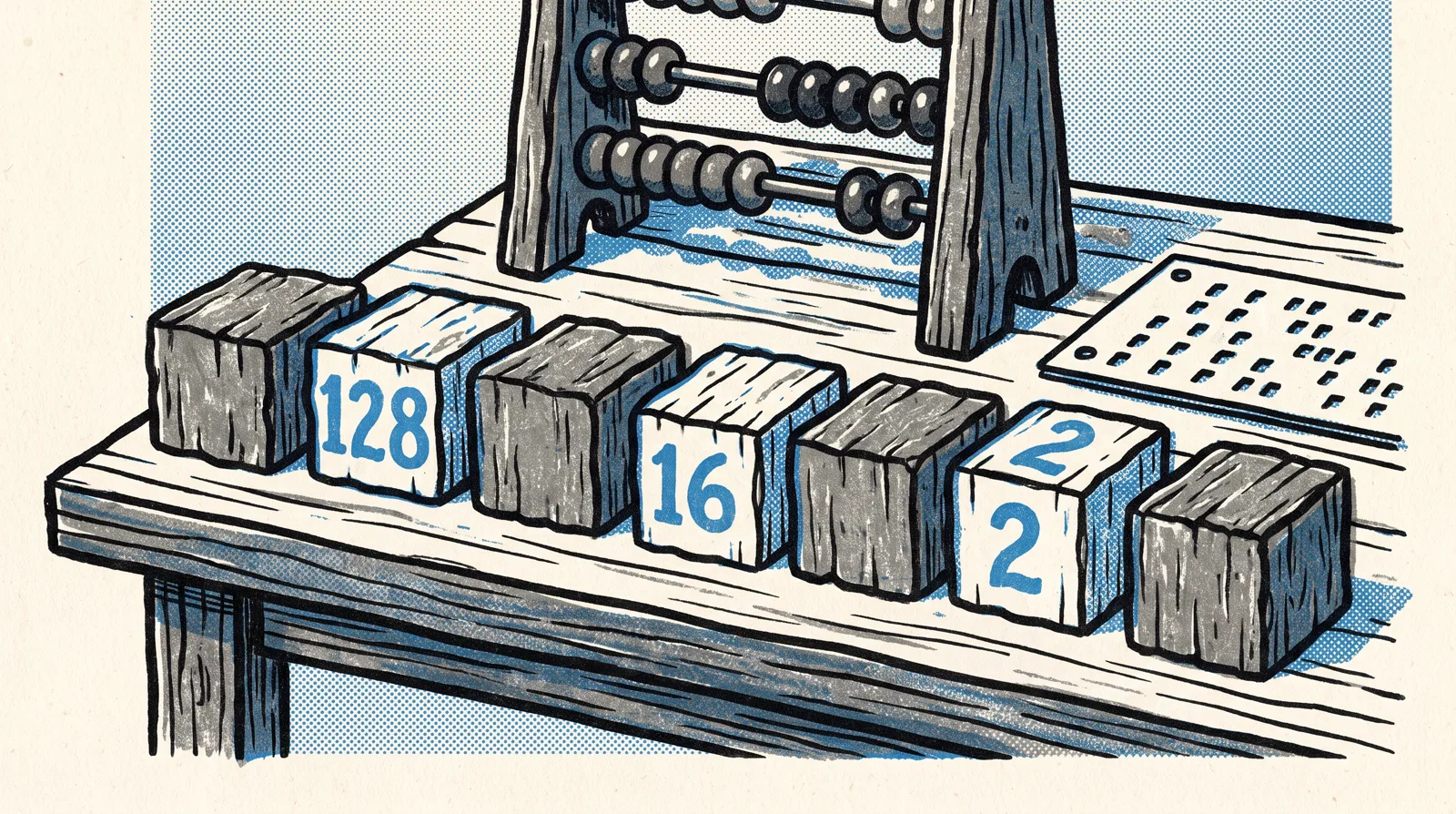
Binary, Hex and Data Units
Beginner Binary, Hex and Data Units The topic that costs more marks than any other on the paper, taught by hand. Bits and bytes, binary and hex in all six directions, the 1000-versus-1024 trap, file sizes, transmission times, overflow, two's complement and character sets. Every module ends in a timed drill marked the way an examiner marks it.
First Program — Scratch for ages 5–9
Beginner First Program — Scratch for ages 5–9 Nine Scratch blocks, three sessions of about twenty-five minutes, and one small program a child of five to nine builds themselves. Written for the parent sitting beside them: what to click, what they will get stuck on, what to say when it goes wrong, and when to keep your hands off the mouse.
AI Without the Hype
Beginner AI Without the Hype What the model is actually doing when it answers you, why that produces something that looks like thinking, why it invents citations, and the cost mechanic almost nobody explains: a chat resends the entire conversation on every single turn. You will do the arithmetic yourself.
Python From a White Sheet
Beginner Python From a White Sheet 九位學生已經走過的確切序列,從空白檔案到詢問問題、檢查答案並拒絕不良輸入的程式。無需事前程式設計知識。無需數學。你會故意反覆破壞它。
IGCSE and GCSE Computer Science — Theory That Actually Gets Marked
Intermediate IGCSE and GCSE Computer Science — Theory That Actually Gets Marked The theory half of the paper, taught so it survives the exam room. The memory hierarchy and what actually happens at boot. Compilers, interpreters and assemblers, including the answer that sounds right and scores nothing. Databases from a spreadsheet up to keys and normalisation. DNS and the full path between pressing Enter and seeing the page. Systems software, and the ethical and legal section that is the easiest ten marks on the paper.
Programming for the Exam — Python Answers That Score
Intermediate Programming for the Exam — Python Answers That Score The programming half of the paper, taught at exam pitch. Pseudocode translated both ways, because the mark scheme is written in a notation nobody practises. Trace tables done column by column, including the ones with a loop and a condition inside it. Linear and binary search, bubble and insertion sort, what each costs and the comparison questions boards love. Validation against verification, and the boundary test data everybody forgets. Procedures against functions, and a systematic method for finding your own error with four minutes left.